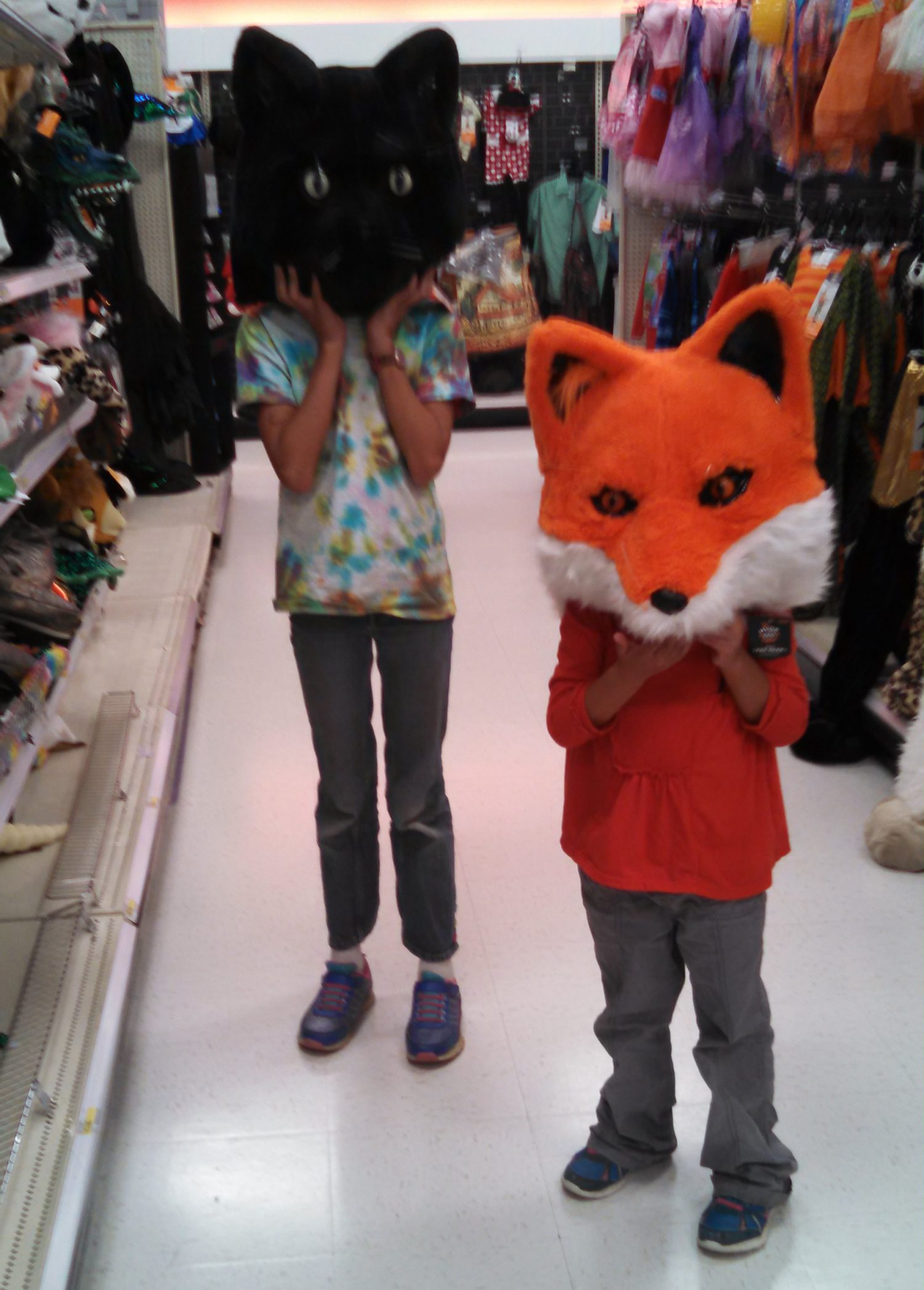
Christmas is one of our favorite times of the year. Unlike most people around us, we find it a quiet time when life slows down to a snail pace. We give each other silly presents and cook a feast.
But Christmas of 2025 was different. Our feast was smaller and the day was far from quiet. This is because we had an exciting end-of-the-year plan up our sleeves. The very next morning, Tanya, Leena, and I set off for a six day trip to Washington DC.
Dec 26, 2025
Johan and Kylo Ren, the dog, dropped us off at the Amtrak station in Harrisburg. Our plan was to take a train from Harrisburg to DC with a short layover in Philadelphia, leaving at 8 a.m. and arriving at DC at noon. Leaving Johan to enjoy a few days of me time, and giving Kylo an extra cuddle, we were off.
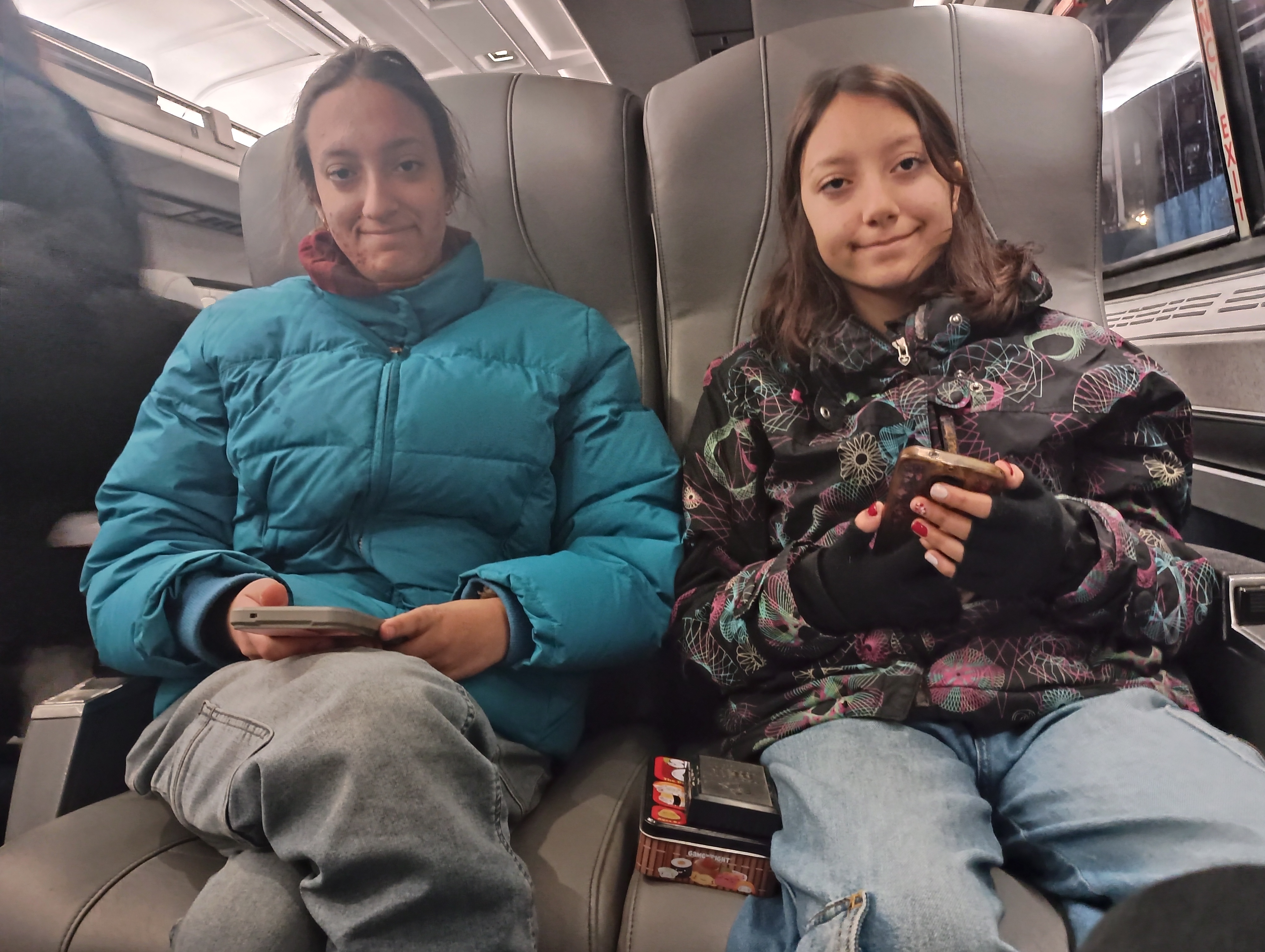
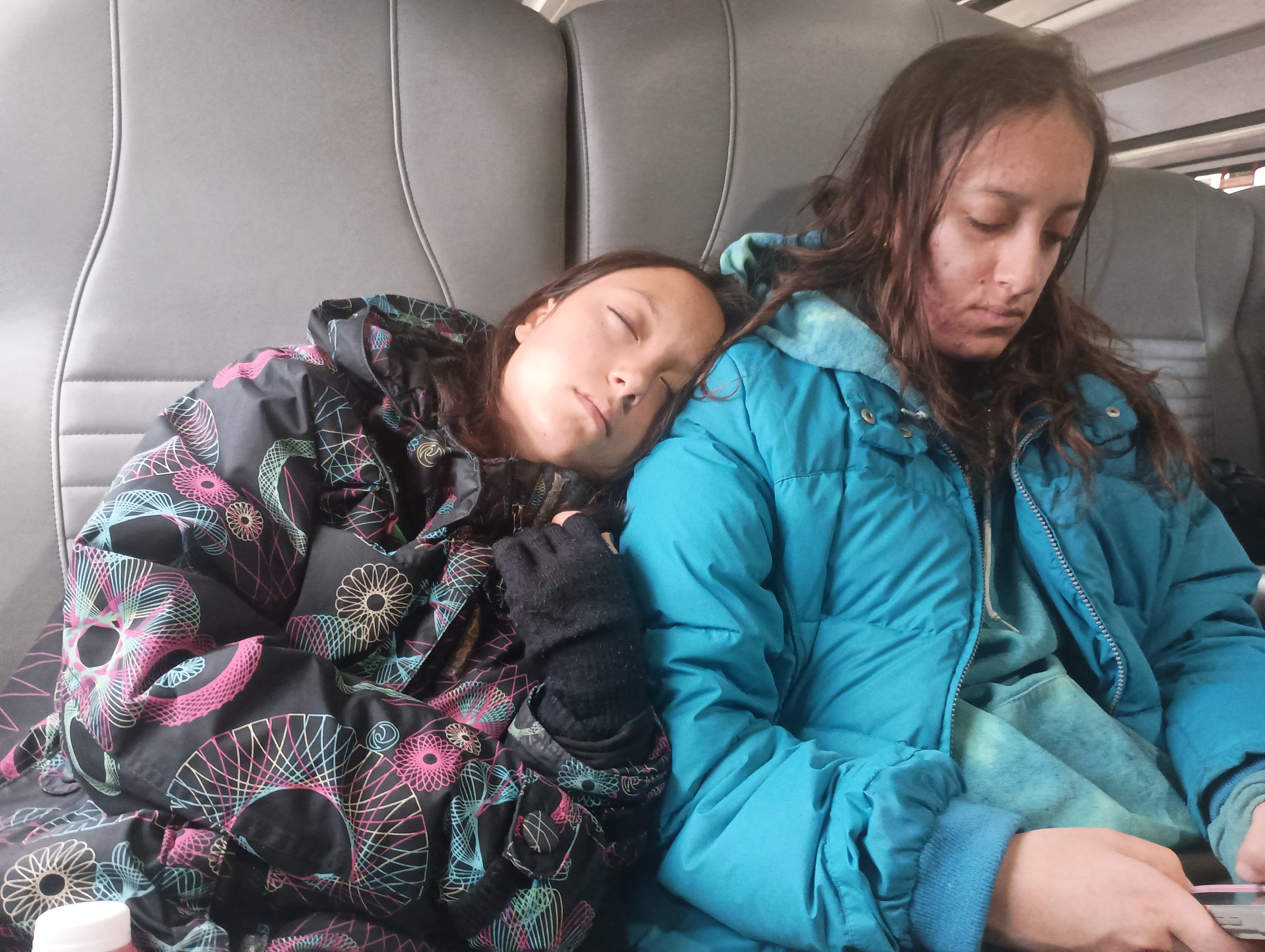
The train ride was straightforward. I like the unhurried train experience more than the security checks and mad rush of airports. We were on time, boarded, and watched the cloudy day scenery go by. I tried to imagine that I was travelling a hundred years ago. This was hard to do because of all the trash laying around. But it was a nice mental exercise.
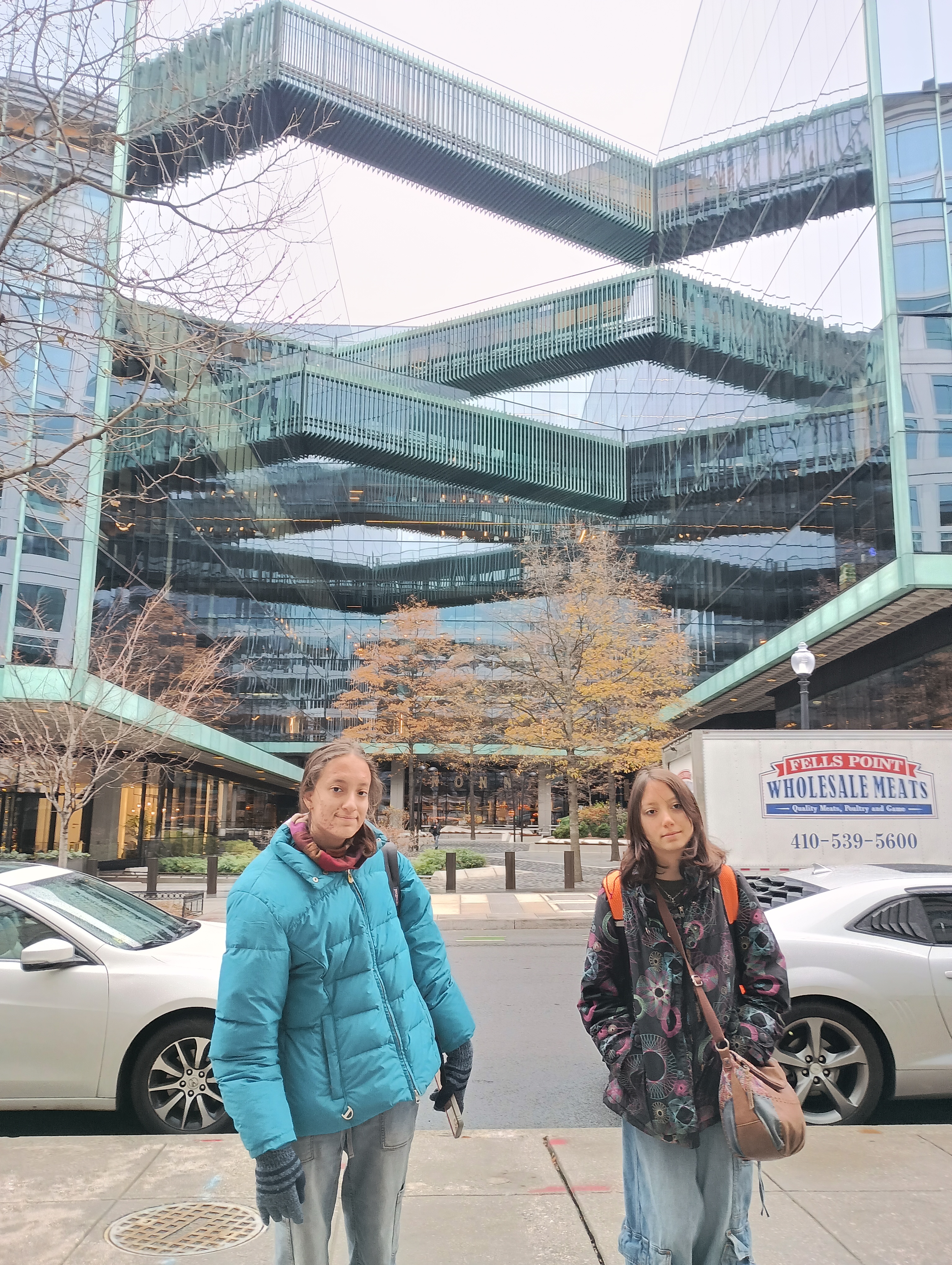
Upon arrival in DC, we took a subway from Union Station to the center of DC. Our hotel, The Mint House, was very close to The White House. It was drizzling when we walked over to the hotel. Check in was smooth.
Our first impression of the room was mixed. We didn’t love it. It had a kitchenette and a couch along with a queen bed. It didn’t match our mental picture of what a hotel room should look like.
Not delving too much, we left quickly, stopping at a falafel and kabob place for a most delicious and satisfying lunch. After that, we walked over to a museum named Planet Word.
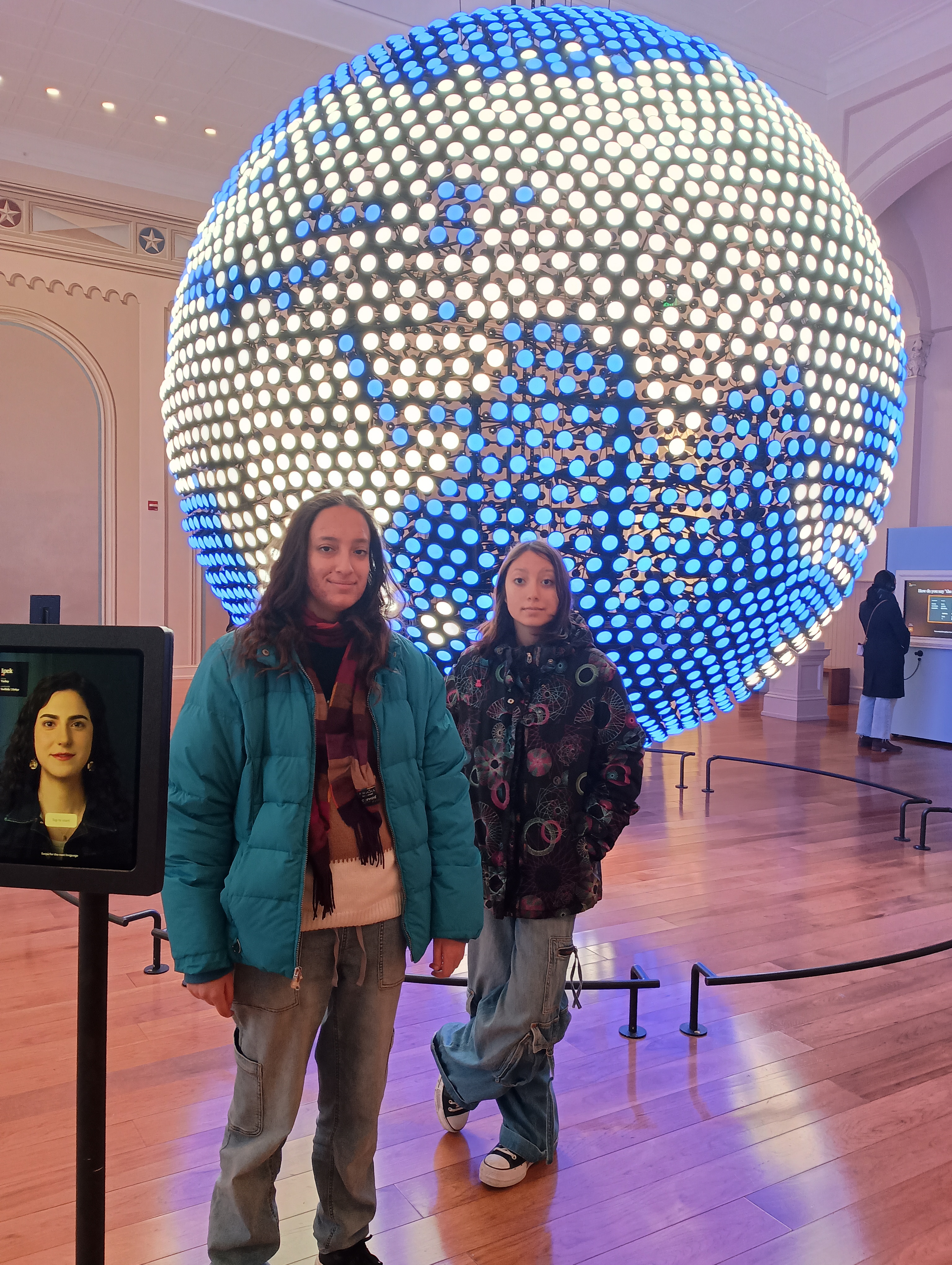
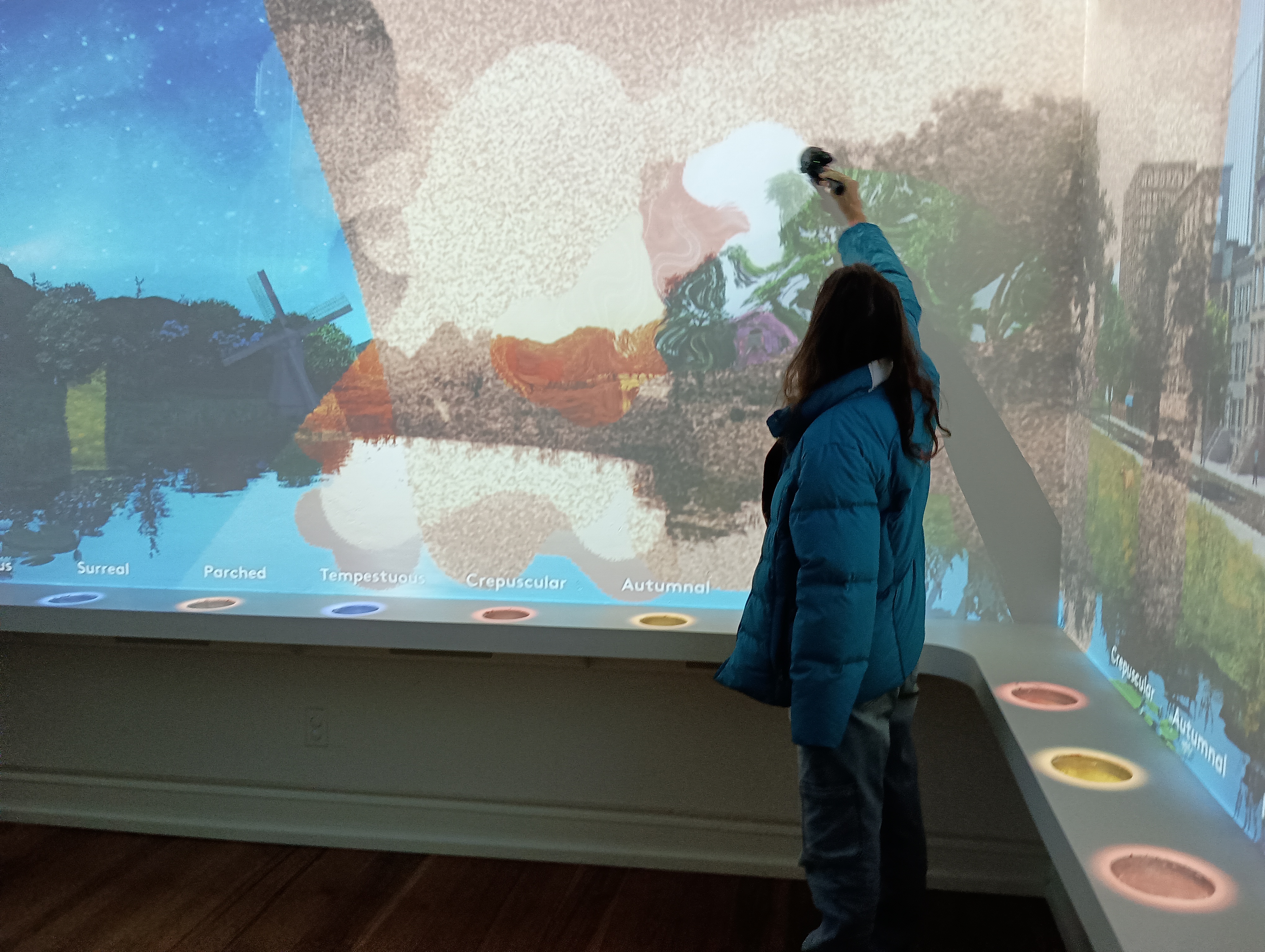
Planet Word was a beautiful museum about language, word, rhymes, and all related topics. Planet word is a must visit in DC. I would strongly recommend it. My favorite exhibit was a karaoke room where a voice dissected the rhyme forms of a few popular songs.
We left the museum around 5 p.m., walking over to a neighborhood grocery store. Here we bought breakfast supplies, fruits etc. It was dark, and we were tired. Calling it a day, we went back to the hotel.
The room slowly started revealing its hidden miracles. The couch was a pull out and had its own TV, usually meant for a child. The queen bed had a TV as well, for a couple. I opted for the pull out bed and the kids took the queen. This meant we had our own little pods even in this tight space. The kitchenette turned out exceptionally well equipped with plates, bowls, etc, knives, forks, cooking pans etc, toaster, microwave, oven, and even a dishwasher and a clothes washer! Making ourselves comfortable, we relaxed in our pods, and watched TV and snacked, and planned our day. By the end of our visit, we loved our little home away from home which provided us a lot of comfort on these cold days.
Dec 27, 2025
Smithsonian day! We knew what we wanted to see. The kids love to see anything related to natural history. After eating a breakfast that I made in our kitchen, we took a subway to the museums.
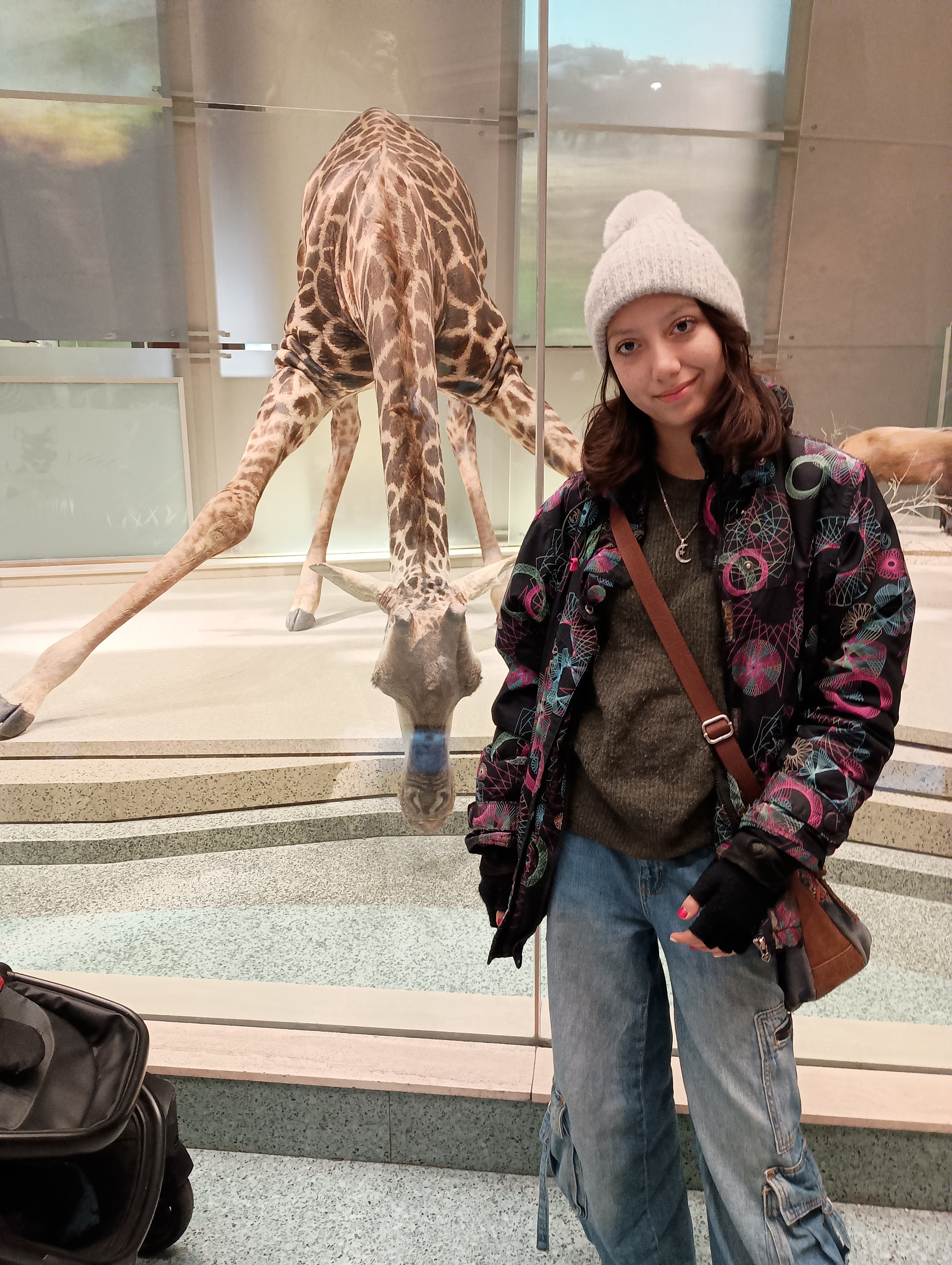
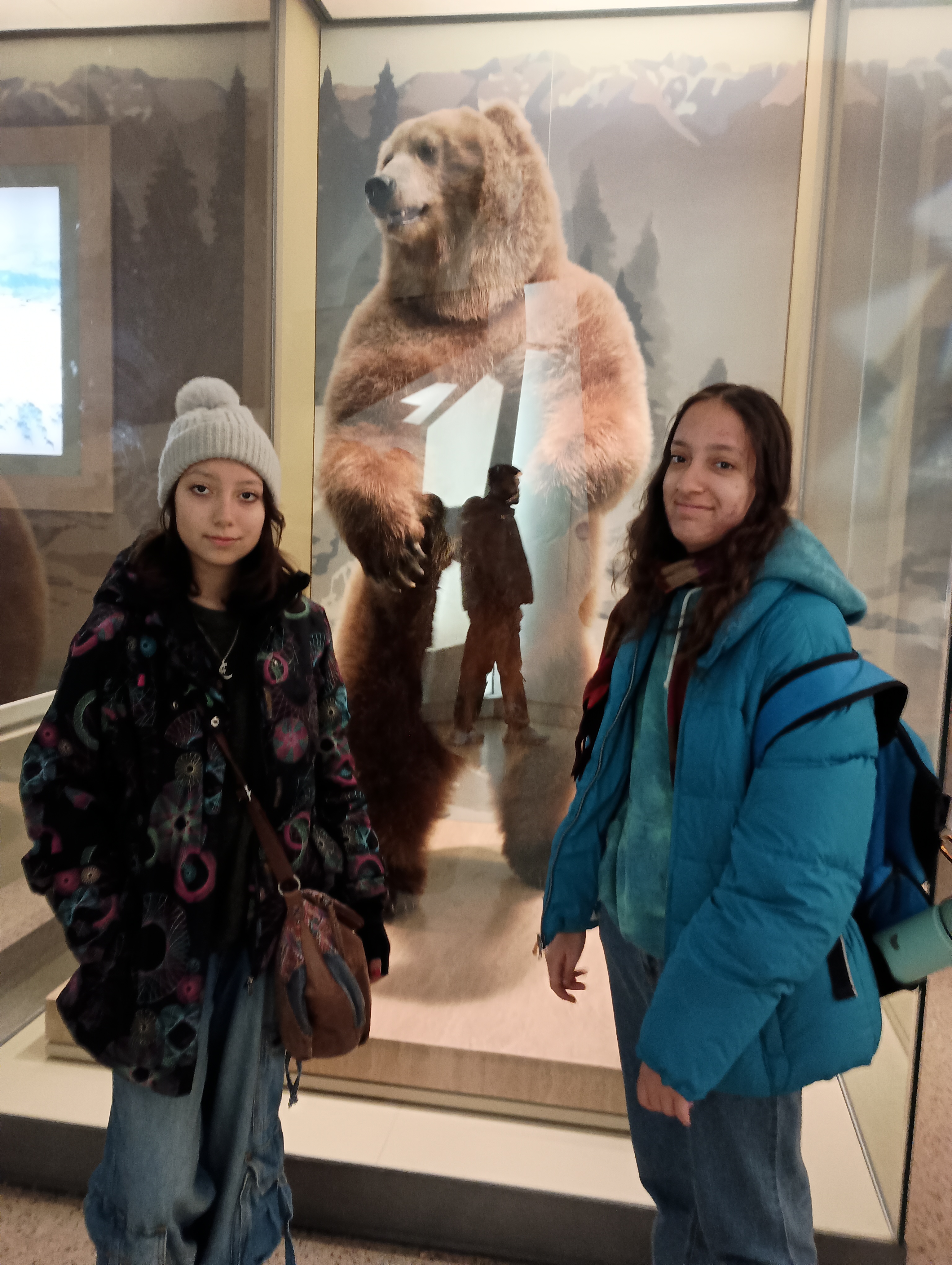
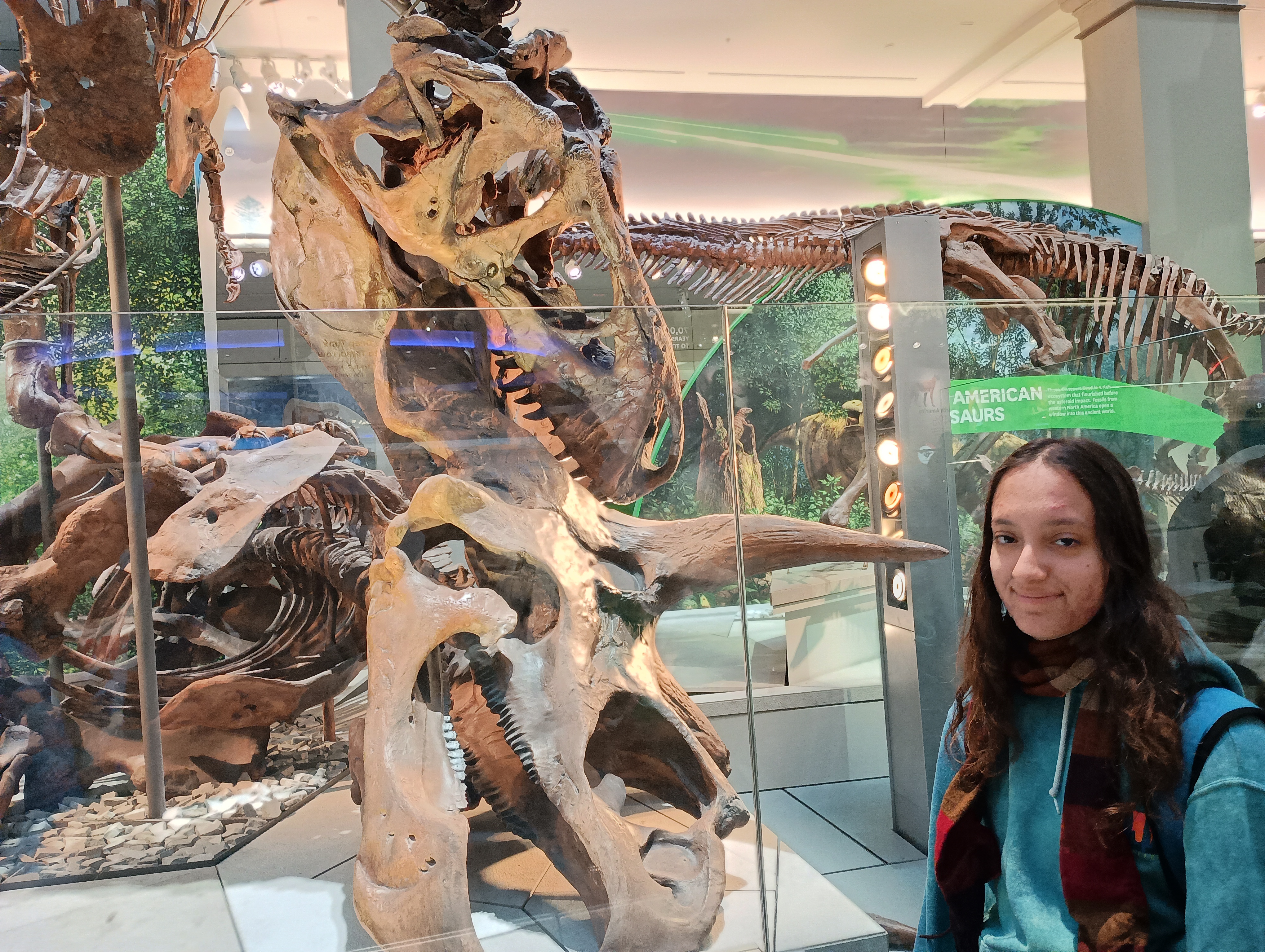
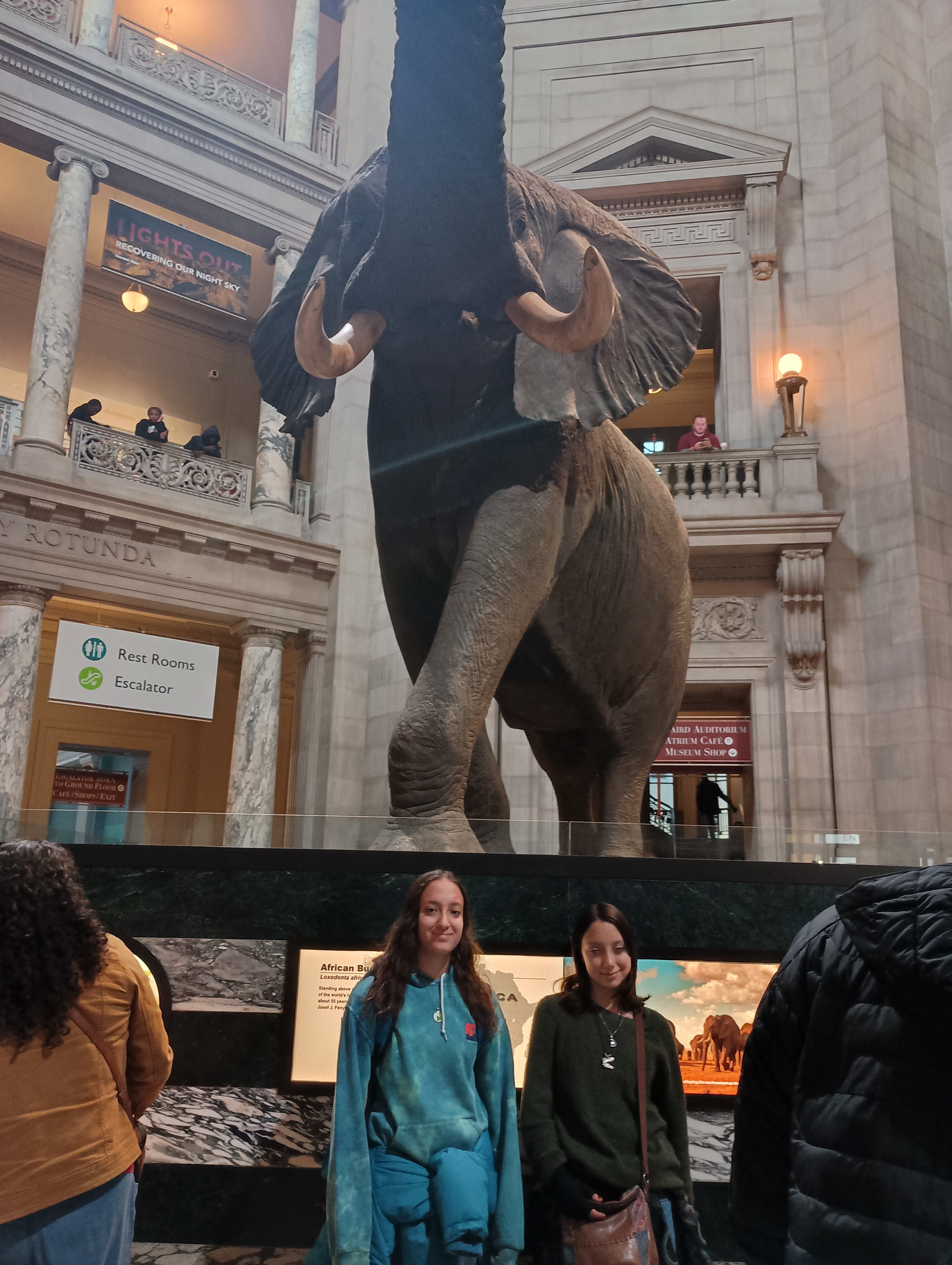
Having visited these museums before, I knew that this would be a tiring day, and I was right! The museum was very crowded, which was disorienting in the beginning. But we soon found our mojo and started having fun. The dinosaur fossils are absolutely astonishing, and never get old. It was easily our favorite room. We ran about, checking all of them out.
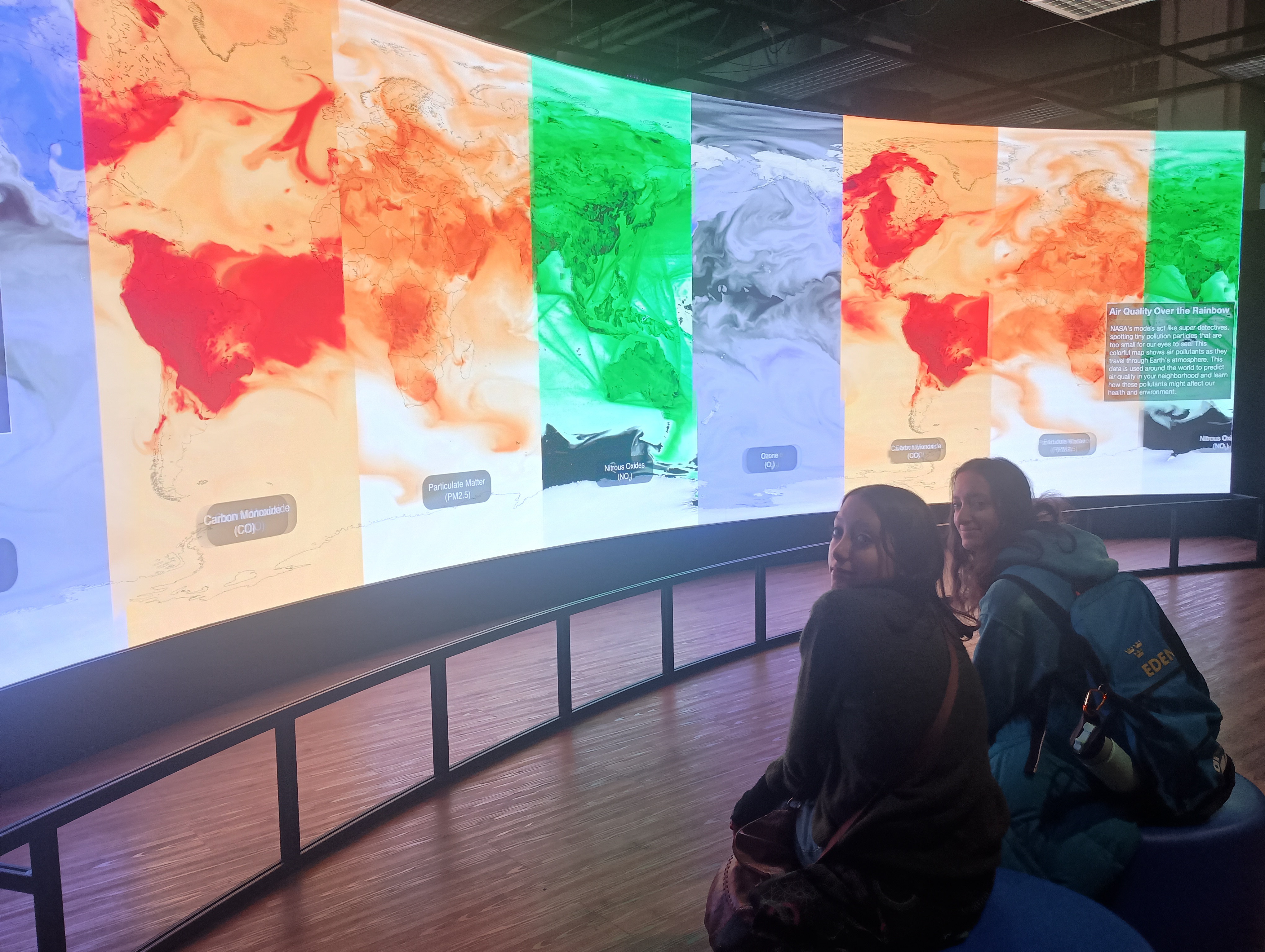
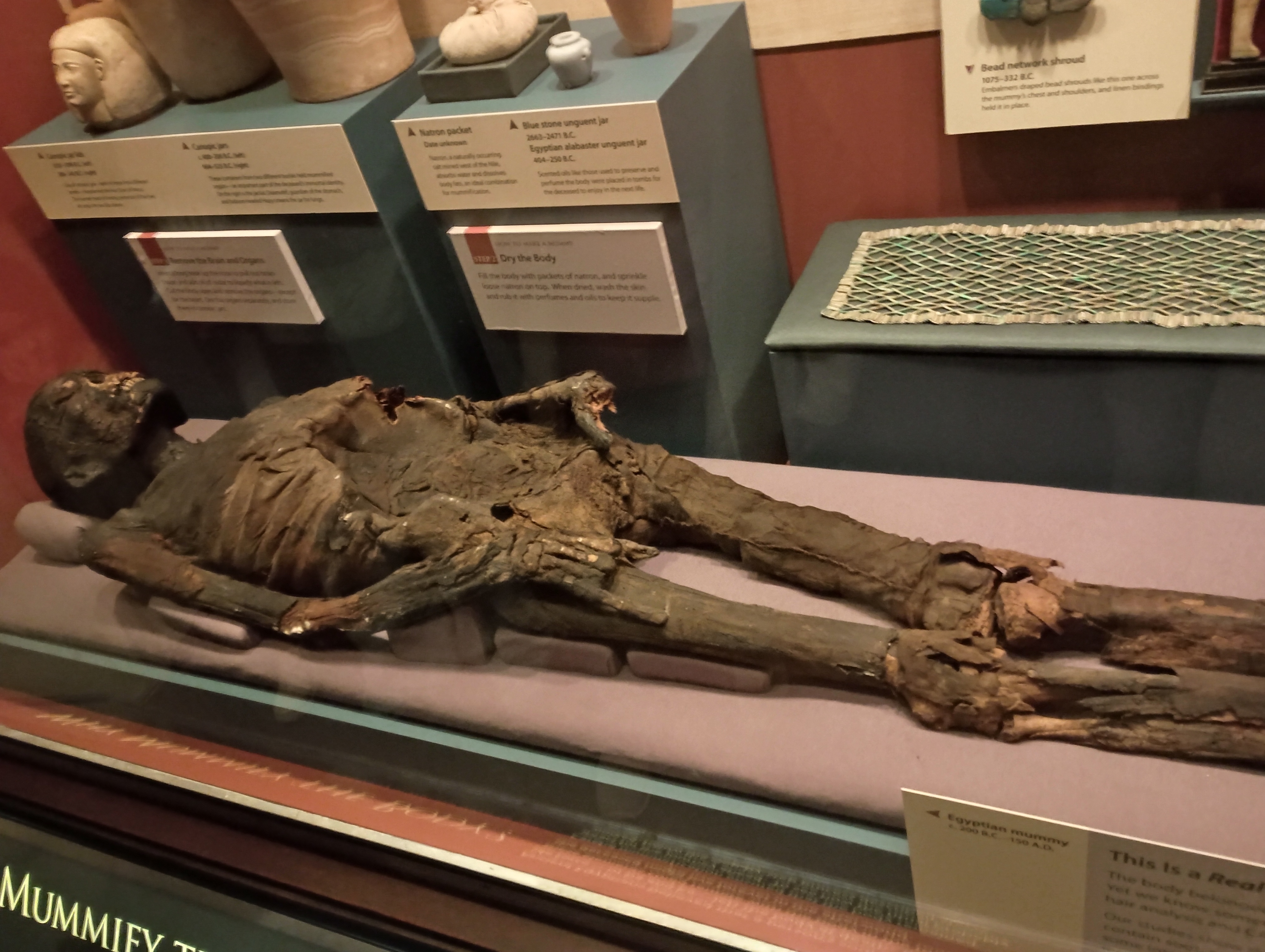
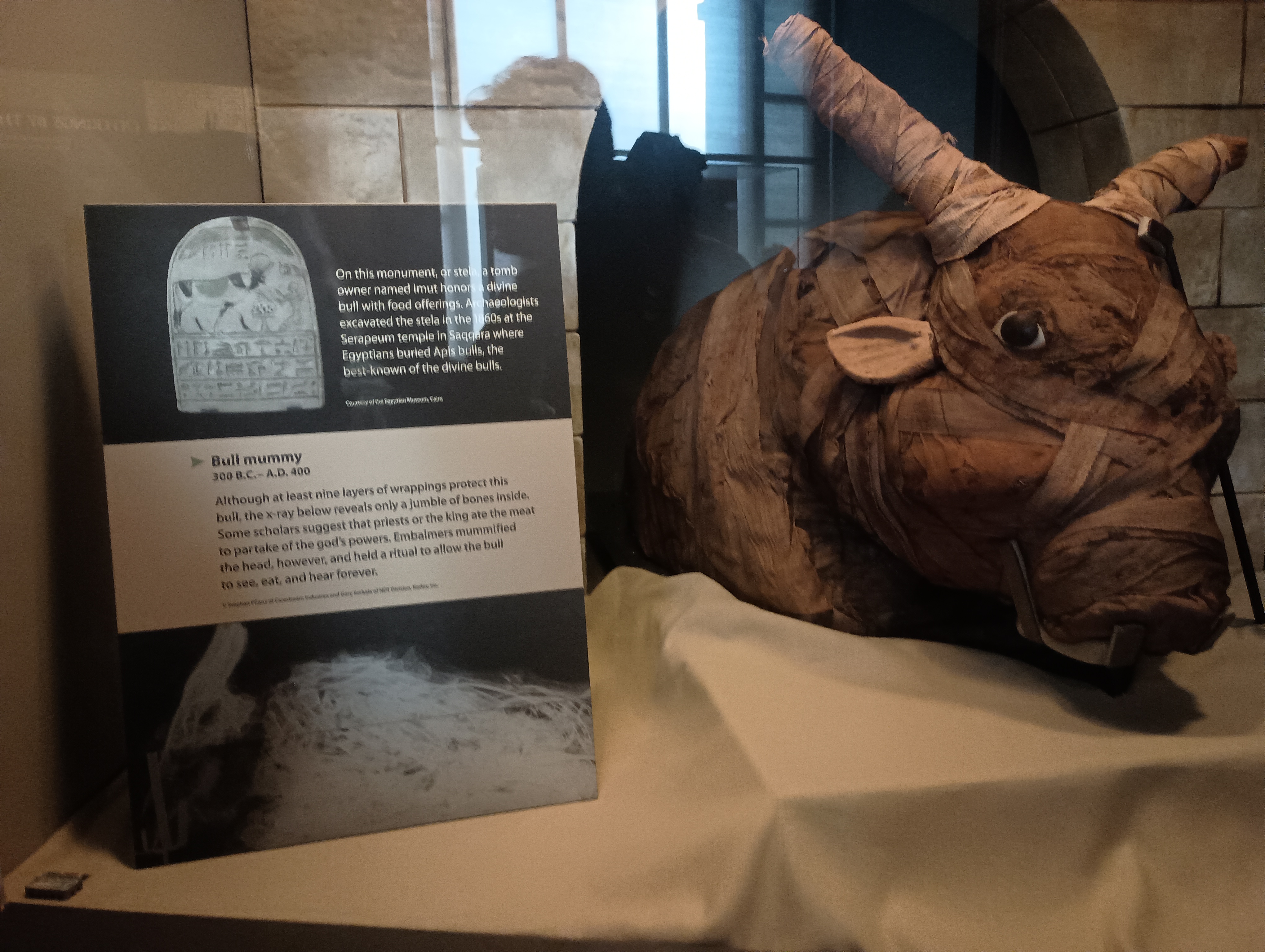
After a quick stop in the cafe for drinks, and at the museum store where the girls bought necklaces, we checked out the NASA room, mummies, and live insect rooms. It was almost 4 p.m. when we got out. We had one hour left before Smithsonian closed, so we took a quick trip to the museum of art. Considering how much we are in art, I figured it would be motivating for us. Well, I figured wrong!
All the initial exhibits were of old style paintings. They don’t inspire us at all. Everyone was immediately tired. Leena sulked, while Tanya bravely tried to show interest. We asked for the contemporary art section, and went over. But we were once again disappointed when we came across a room with large canvasses painted white (?!). One room even had a trash bag as an exhibit.
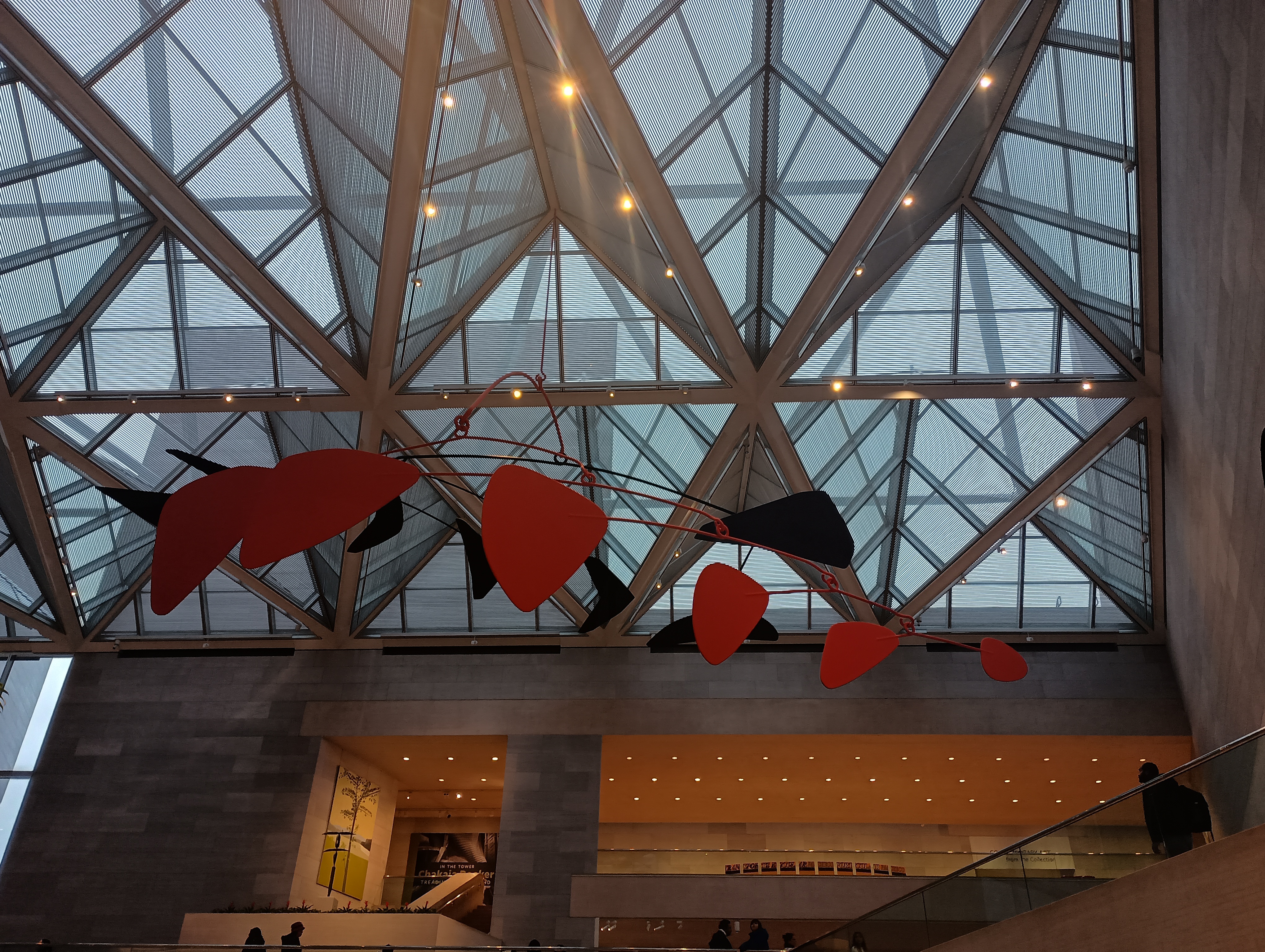
Now, don’t get me wrong. I respect the ideas. If it inspires you, that’s great. But it didn’t inspire us. There was a room with mobiles, which was the only room that the girls looked alive in. By 5 p.m. we were done with Smithsonian and it was done with us!
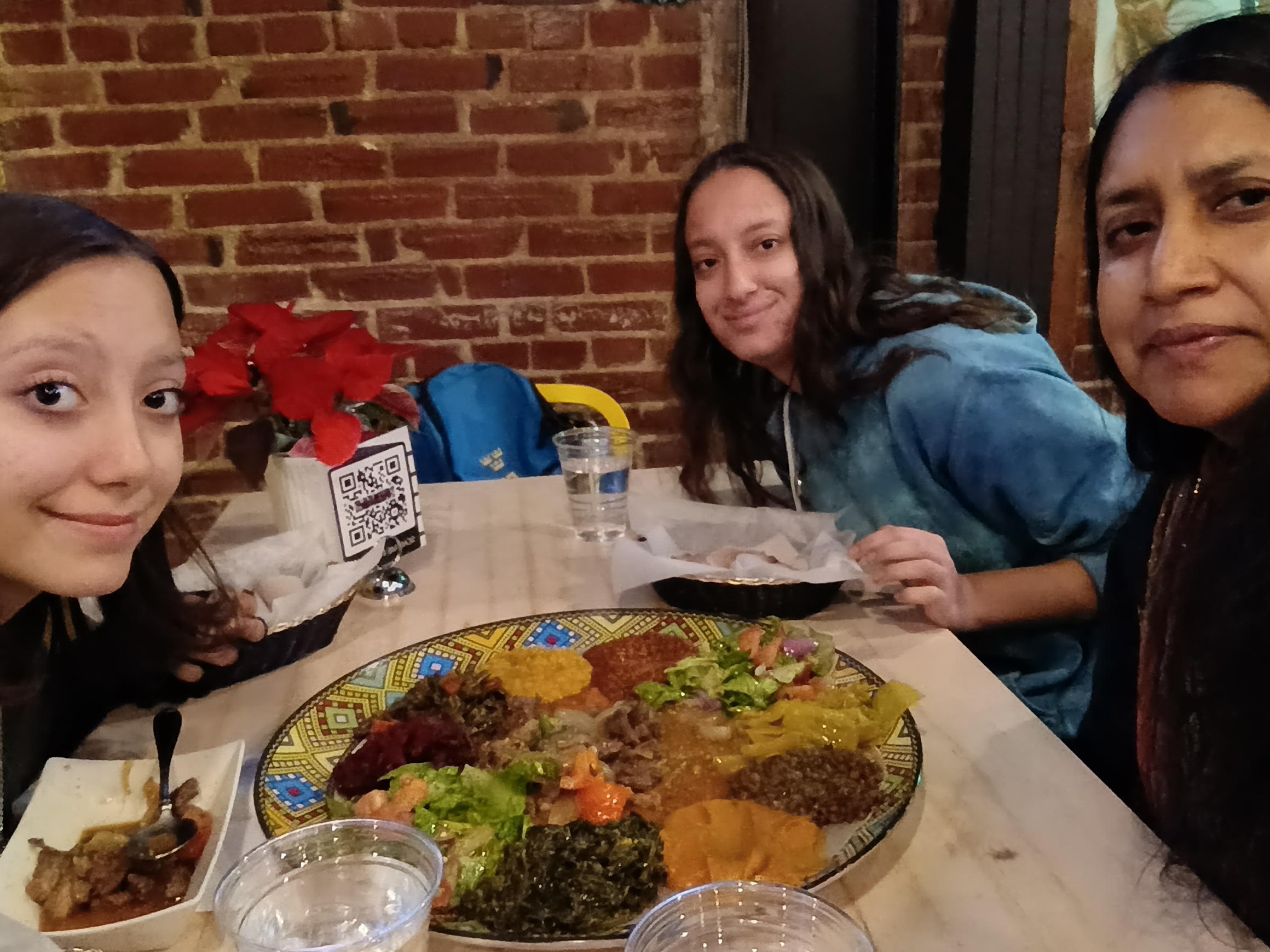
Our next plan was better. We saw a different kind of art, which would motivate anyone. The art of Ethiopian food. We went to a lovely little restaurant and enjoyed an exquisite, yummy dinner. Walking back to the hotel, we dived into the grocery store once again to pick a few things up. Once in room, we were back to chilling, TV watching, and having plenty of tea.
Dec 28, 2025
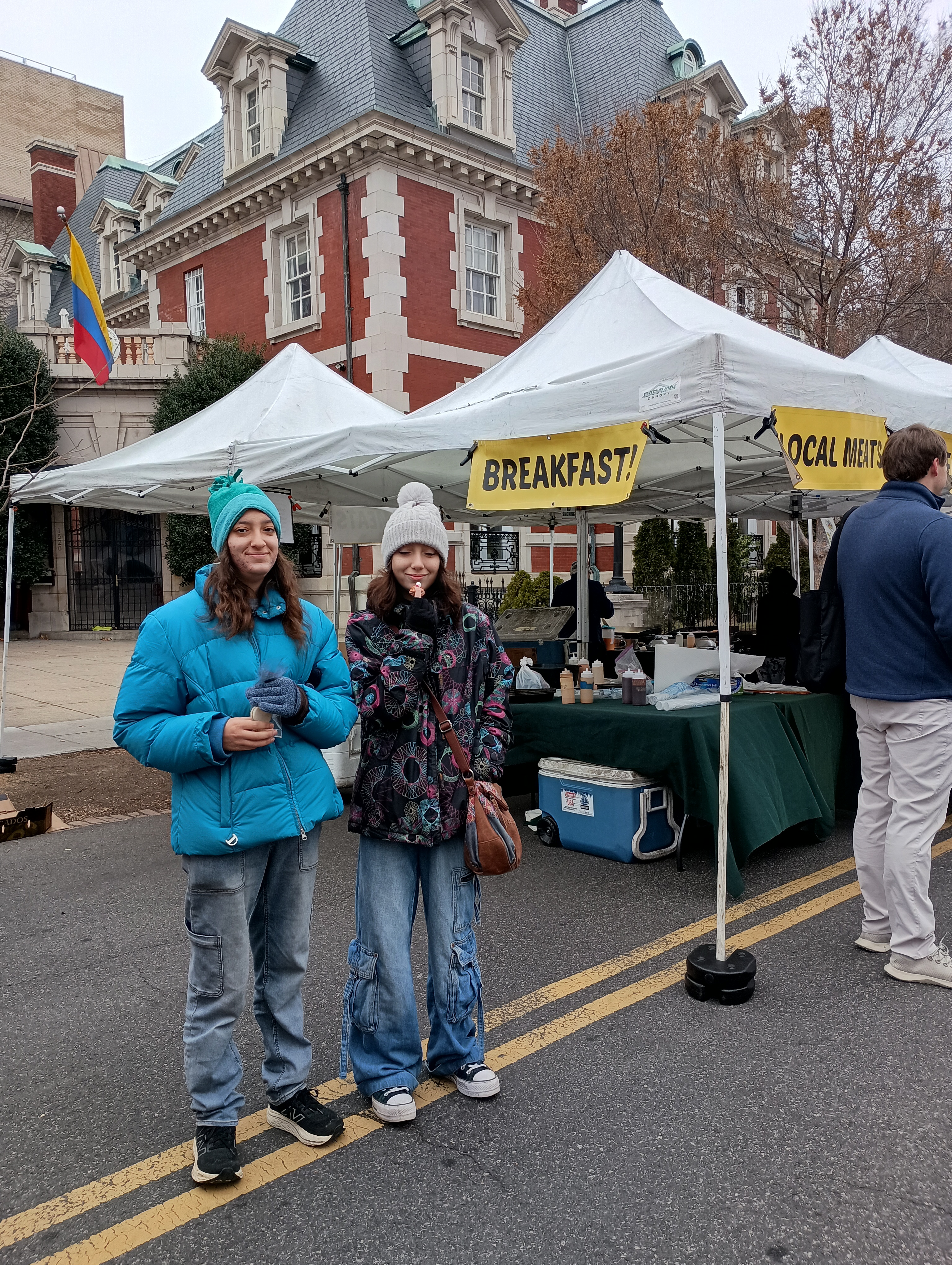
This was an “Elf” day. Elf days are when we decide to go off the beaten path to explore lesser known things. Taking a subway we went to Dupont Circle. And there it was. There was a farmer’s market right under our noses, as we stepped off the subway. We all immediately felt at home. We walked through the market, buying little things; apples, cucumbers, cider, raw honey, macaroons, mango juice. Luckily we carried a big backpack wherever we went and were able to throw everything inside.
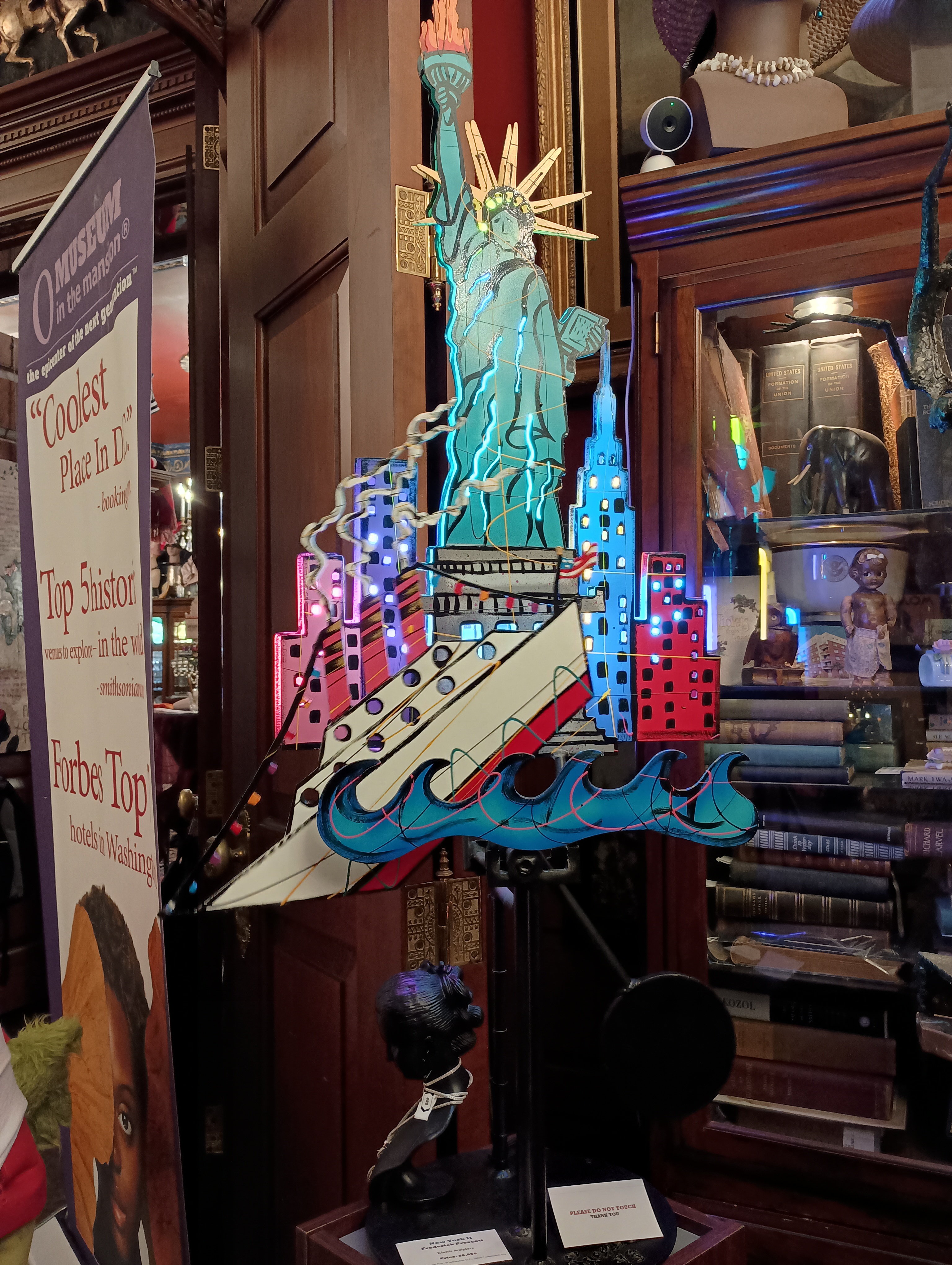
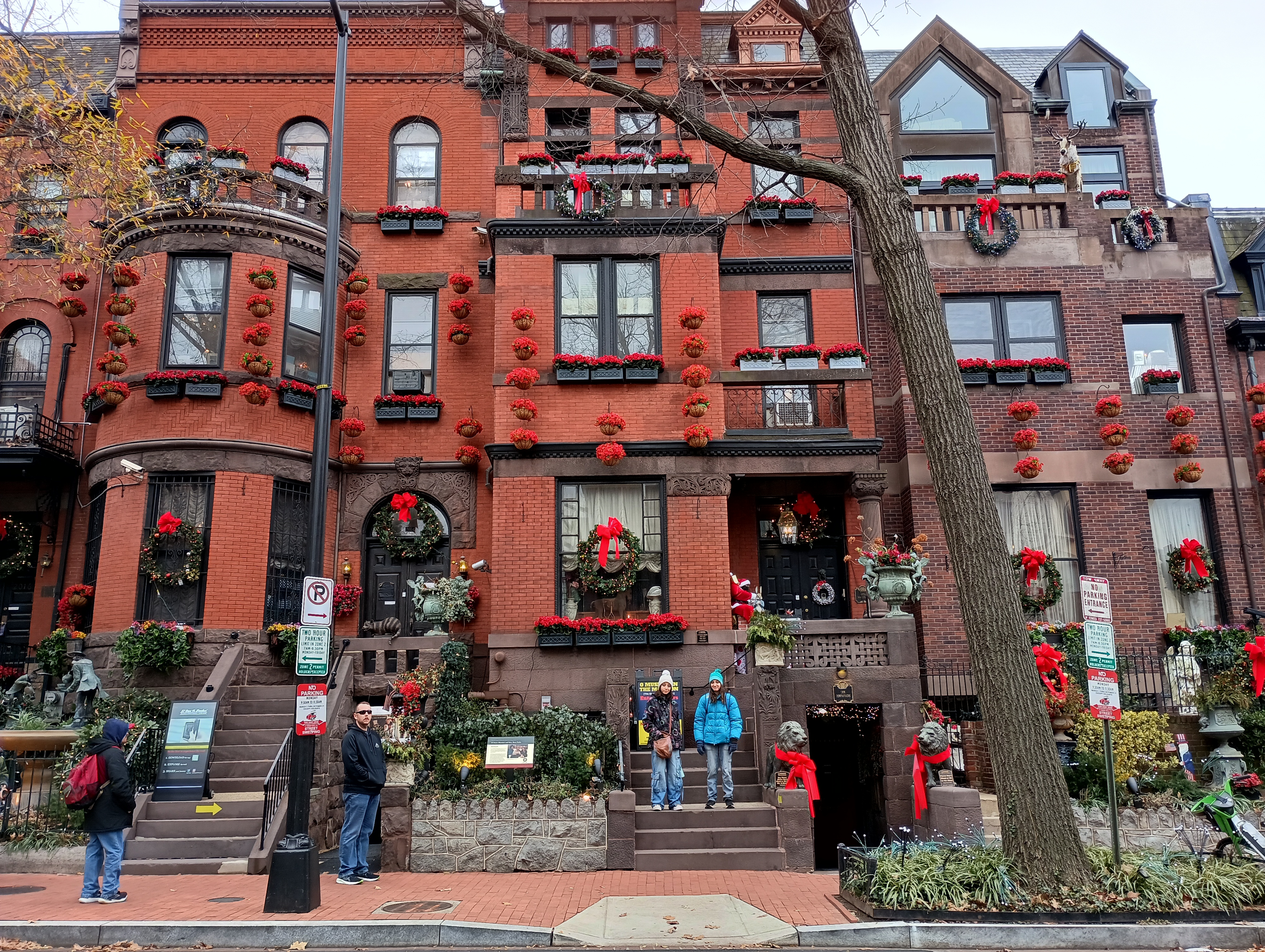
From there we went to the museum on O street. The museum on O street is basically an antique store with a history. Its a fancy house with many hidden doors that you can try finding. The idea of exploring secret doors attracted us. We didn’t love it, but it was fun. Considering that it was a glorified antique store, the kinds that we find everywhere in central Pennsylvania, we found its ticket costs too steep. Anyway, we did have fun trying to find secret doors and visiting a Halloween room. So altogether it wasn’t too bad.
As we walked back to Dupont circle, we came across a used book store and went inside to explore it a bit. It was nice and quaint, reminding us a bit of Webster’s in our town, although Webster’s is next level in terms of vibes and fun. Our next stop was Dupont Underground, which is an underground art place in DC. It was previously an old train line, that was later converted into an art hub.
Unfortunately we were disappointed. Dupont Underground was closed. We went to a Starbucks nearby and were told that Dupont Underground only opened for events. The next event was in January.
Giving up, we decided to check out the shopping scene.
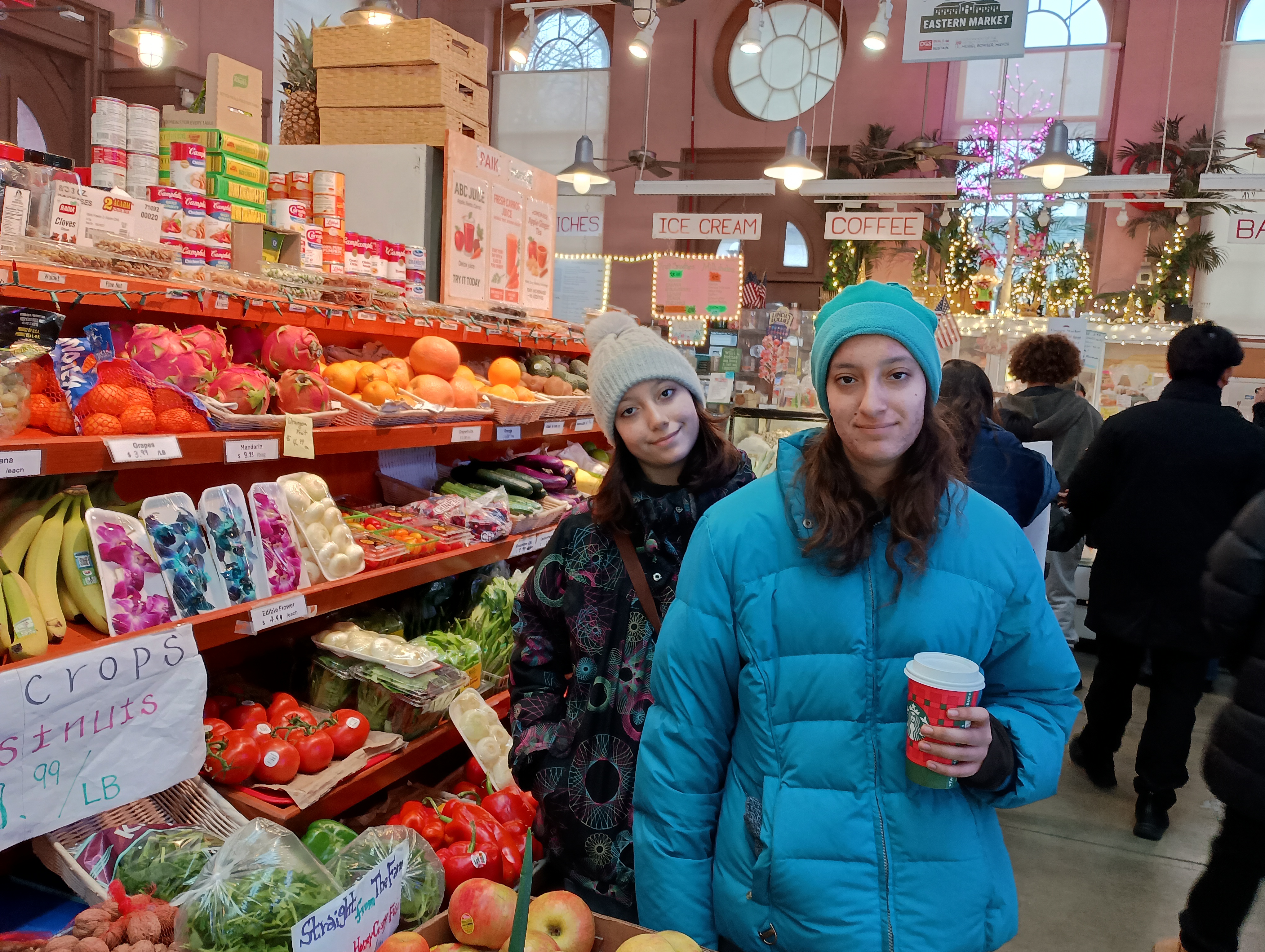
We first went to the Eastern markes, which is a good and craft market. It was interesting and we hung there for a bit.
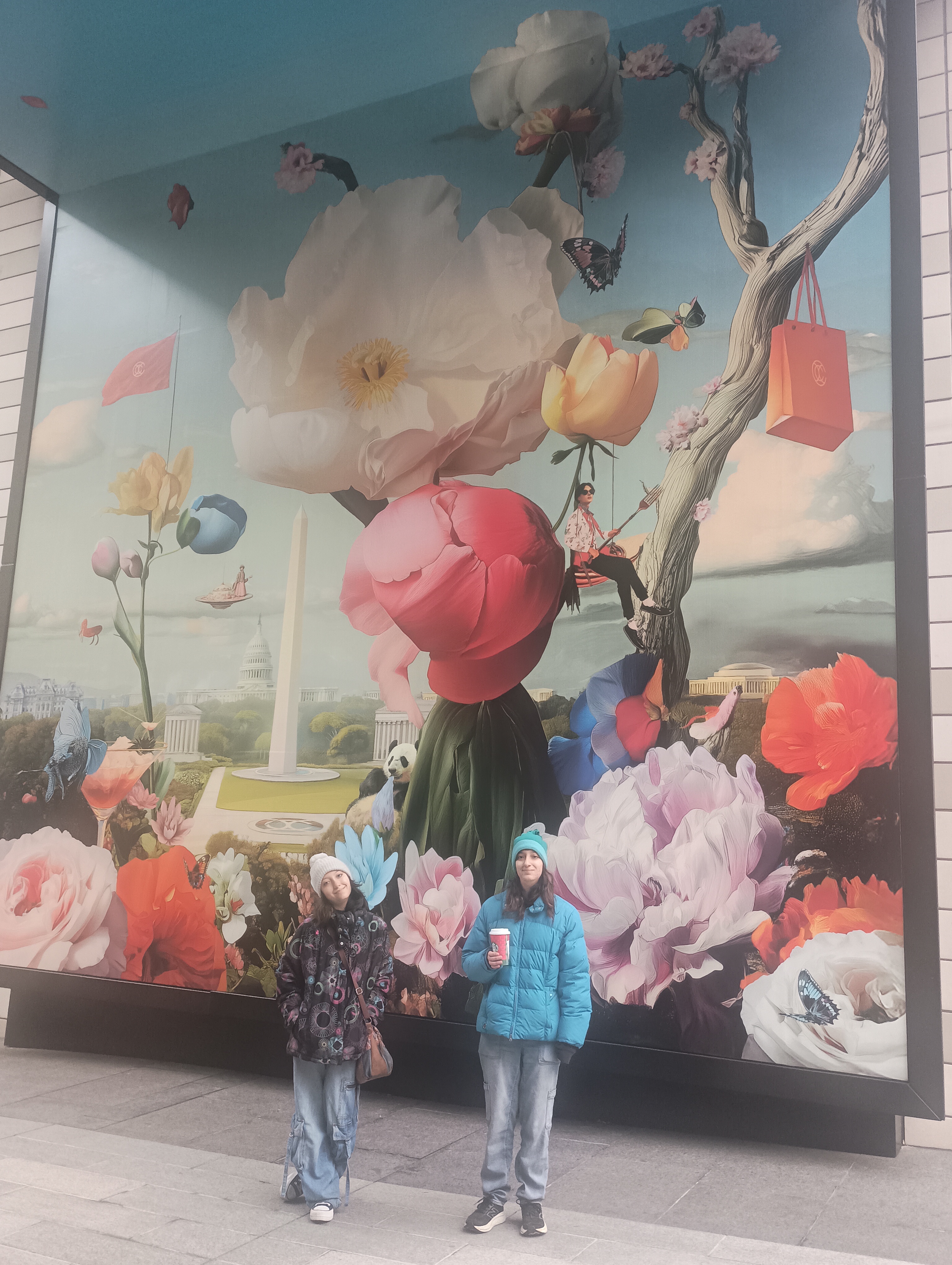
We then looked for a mall near our hotel and found City Center DC. We walked over, but were in for more disappointment. City Center DC was not a regular mall. It was a bunch of overly upscale stores that were of no interest to us. We left quickly. Looking around, our GPS showed that there was a Macy’s nearby. So, Macy’s it was!
We spent the rest of the day browsing the store. It was fun, because we don’t usually do such things. Tanya and I are allergic to shopping!
When we finally came out, it was dark. We walked back to our hotel room, settling in with delicious leftovers as we tried to get the chill out of our bones.
Dec 29, 2025
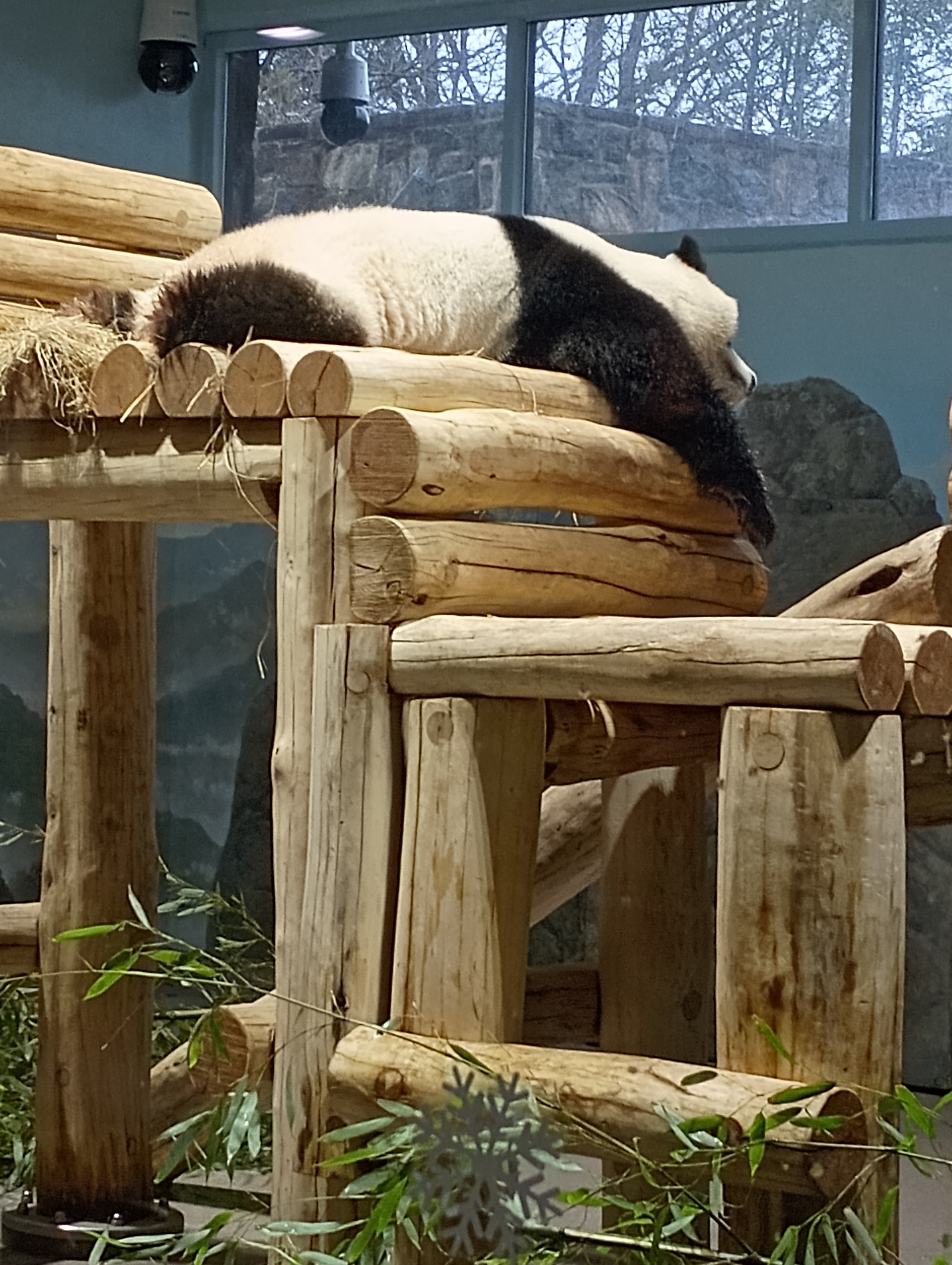
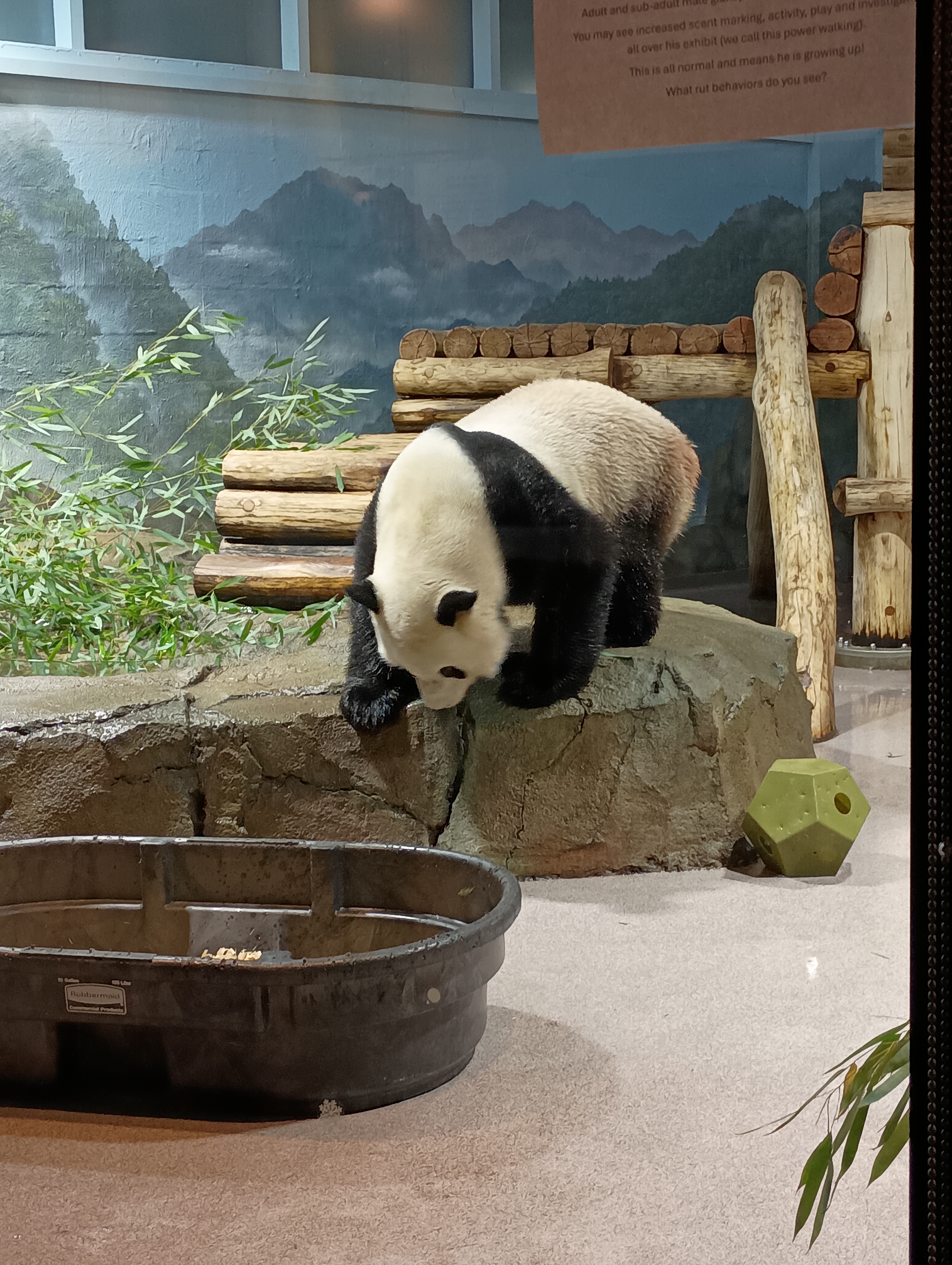
This was a big walking day. The weather was in mid 50s, so we had decided to explore the DC zoo. We each had an animal that we wanted to see. I was there to see the pandas, Leena wanted to see the wolves, and Tanya wanted to see the snow leopards. We didn’t see snow leopards, but we got an eyeful of pandas, and we did try our howl on the wolves!
We visited every exhibit in the zoo, walking for hours. The greatest reward was catching a panda at its feeding time. The cutie gave us quite a show. The audience gasped and wowed as he moved about with a smile and bearing of a celebrity, but with none of the diva behavior, performing all kinds of antics, from eating, to rolling about in a tub of pine shavings!
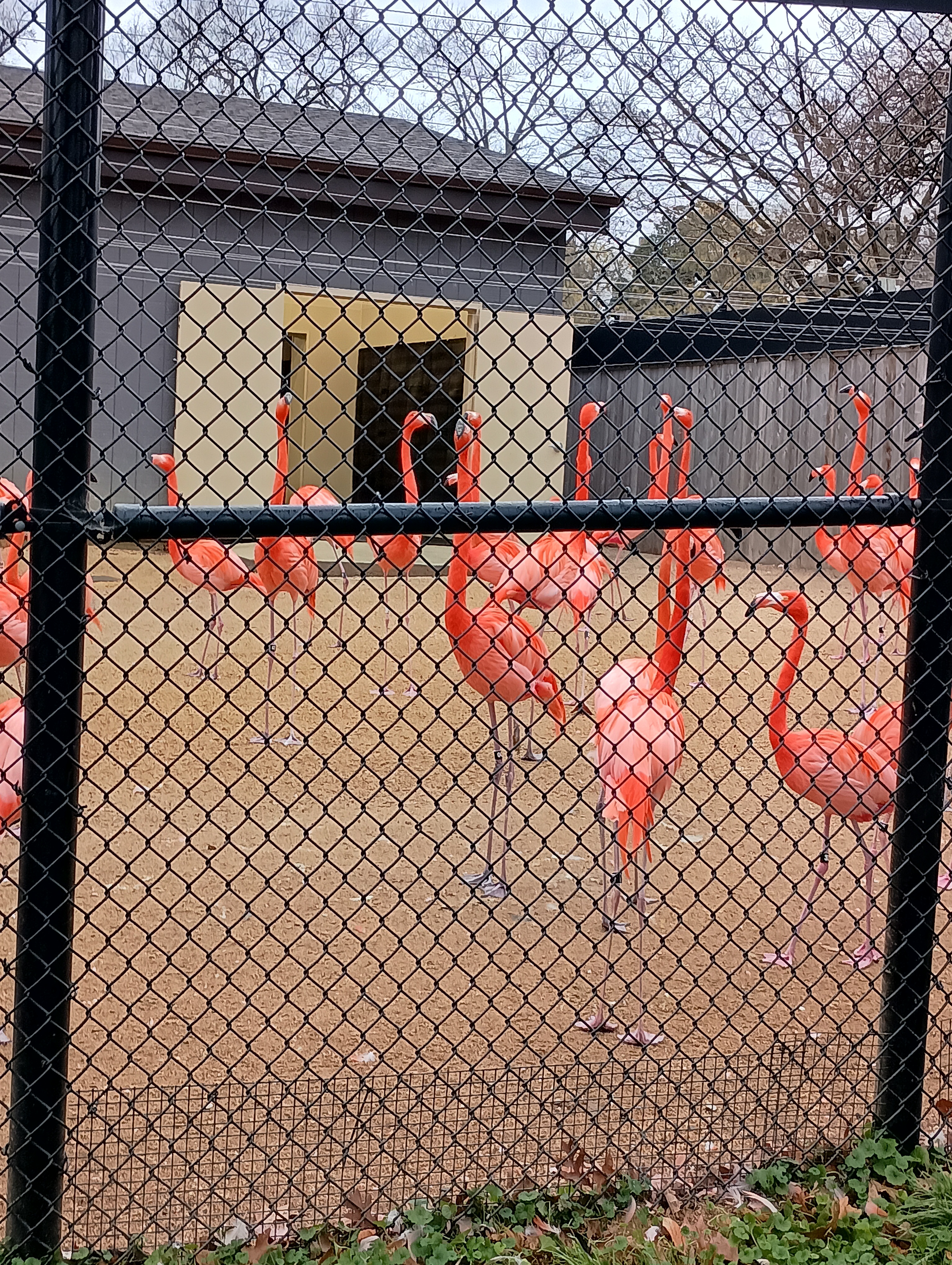
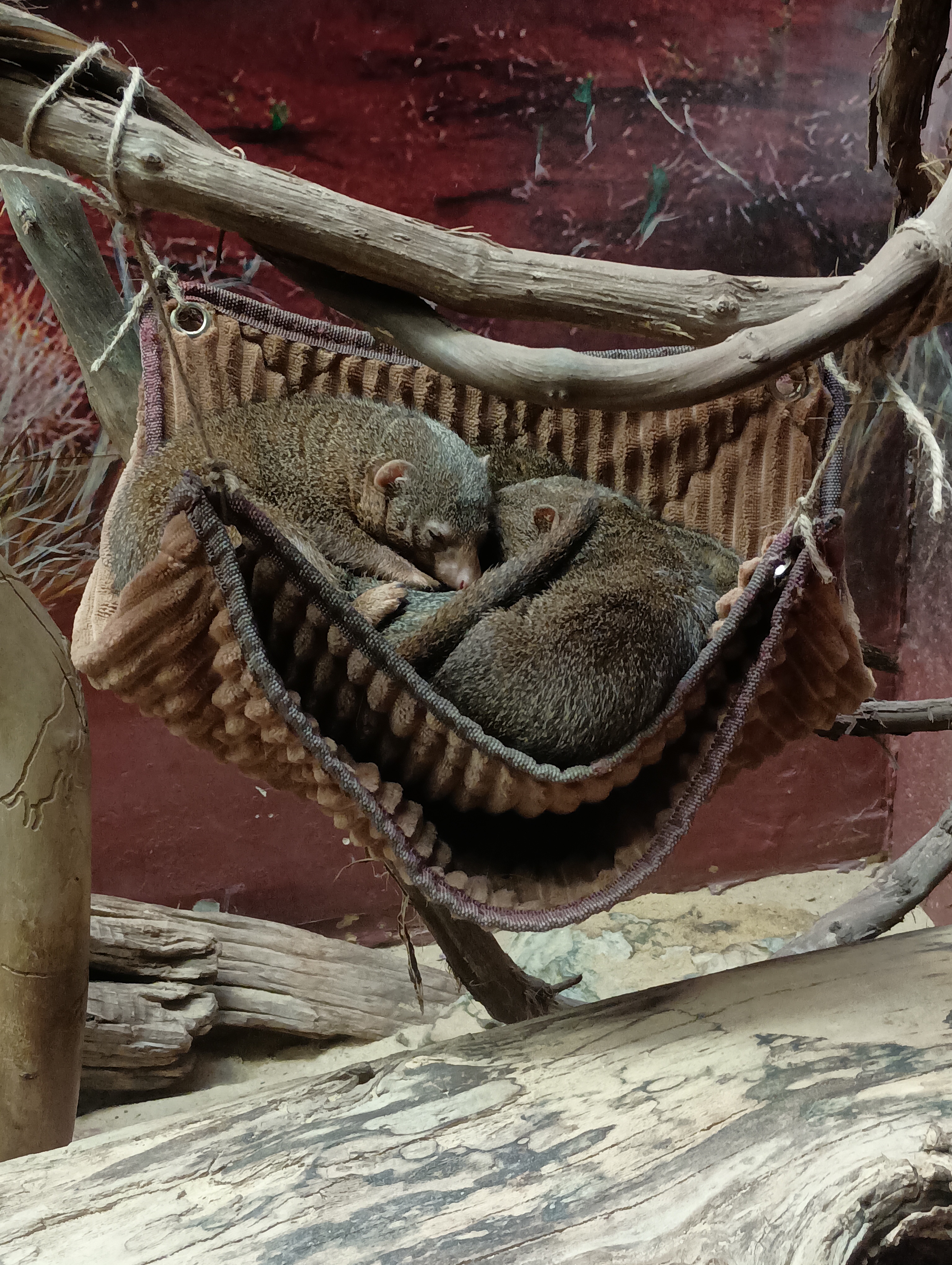
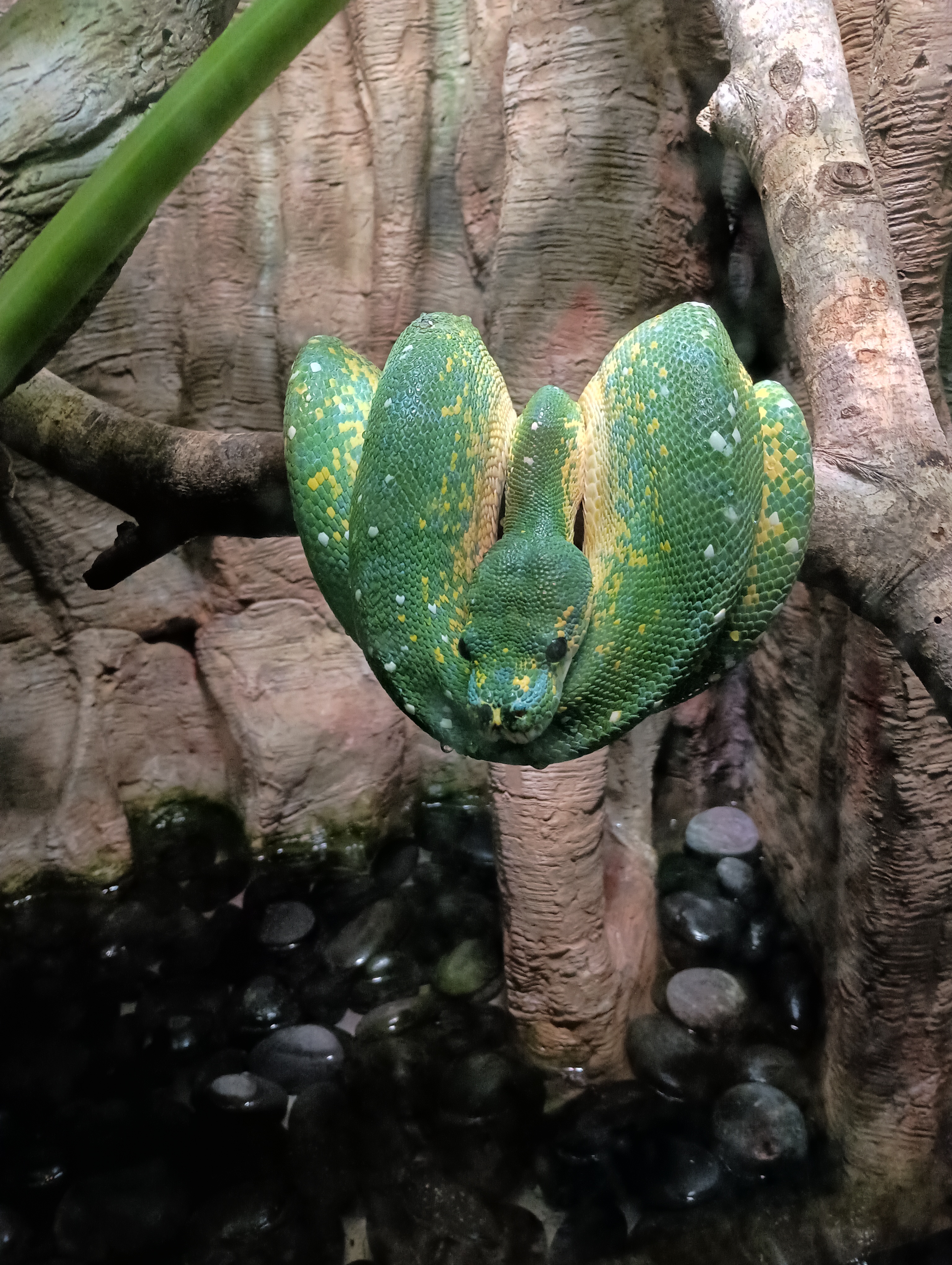
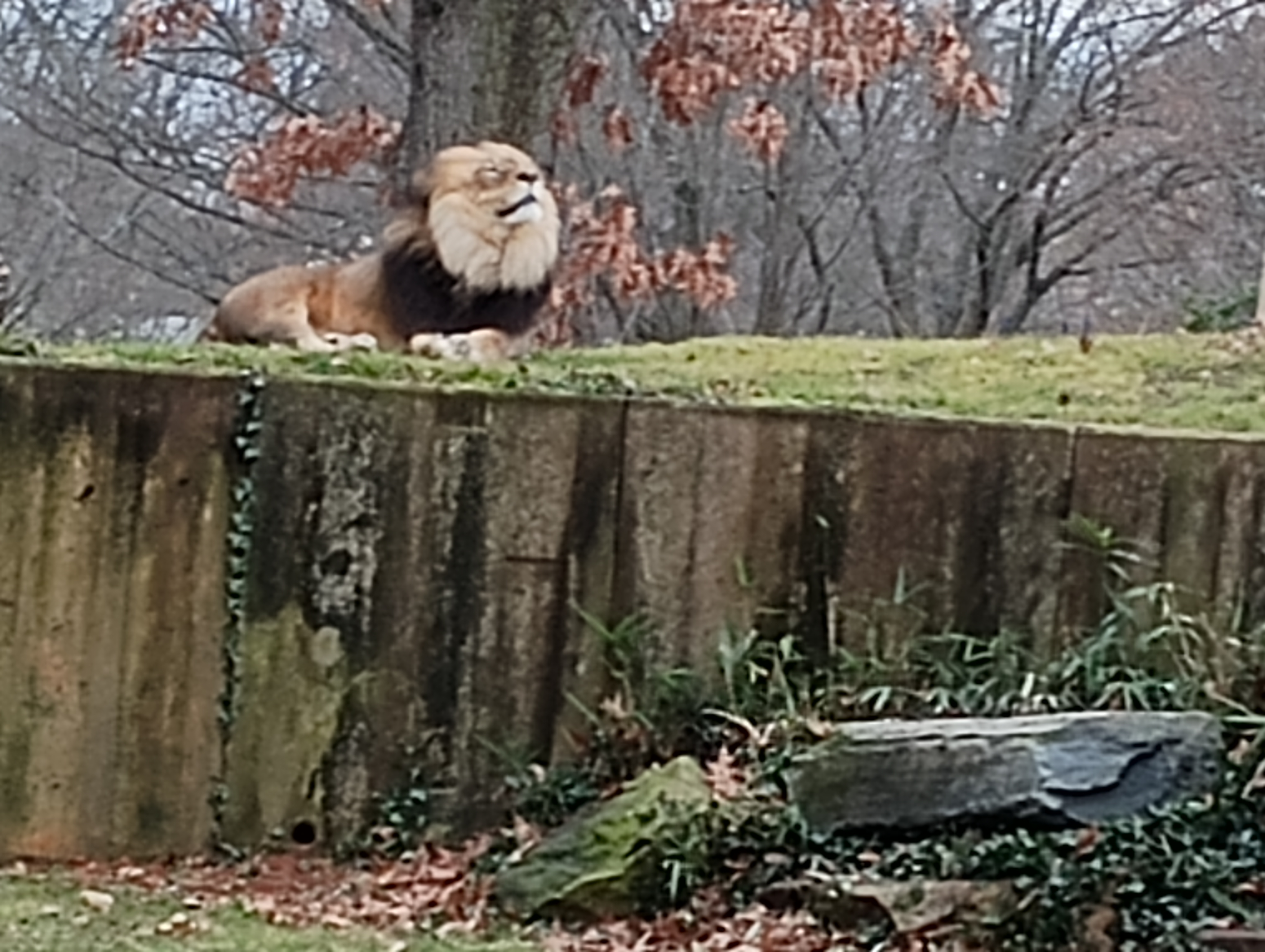
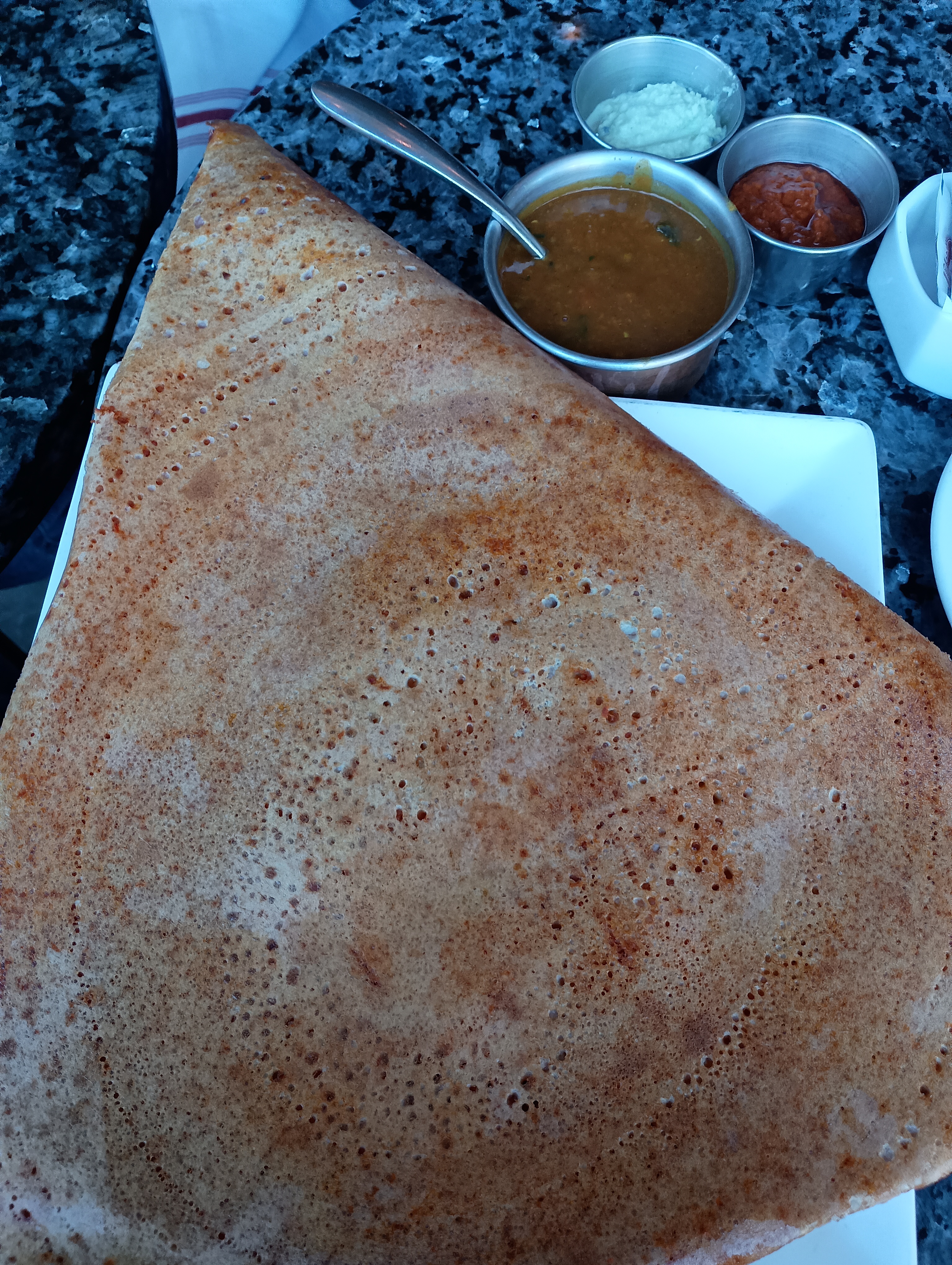
The other notables at the zoo were fast swimming sea lions, elephants, snakes (one of which tried to bite Leena), noisy flamingoes, apes, tigers and lions. By the time we were done, the weather took a turn for the worse. Strong wind gusts started blowing, telling us that it was time to be done. We rewarded ourselves by going to a South Indian restaurant and enjoying dosas. Happy with a well spent day, we went back to our hotel.
Dec 30, 2025
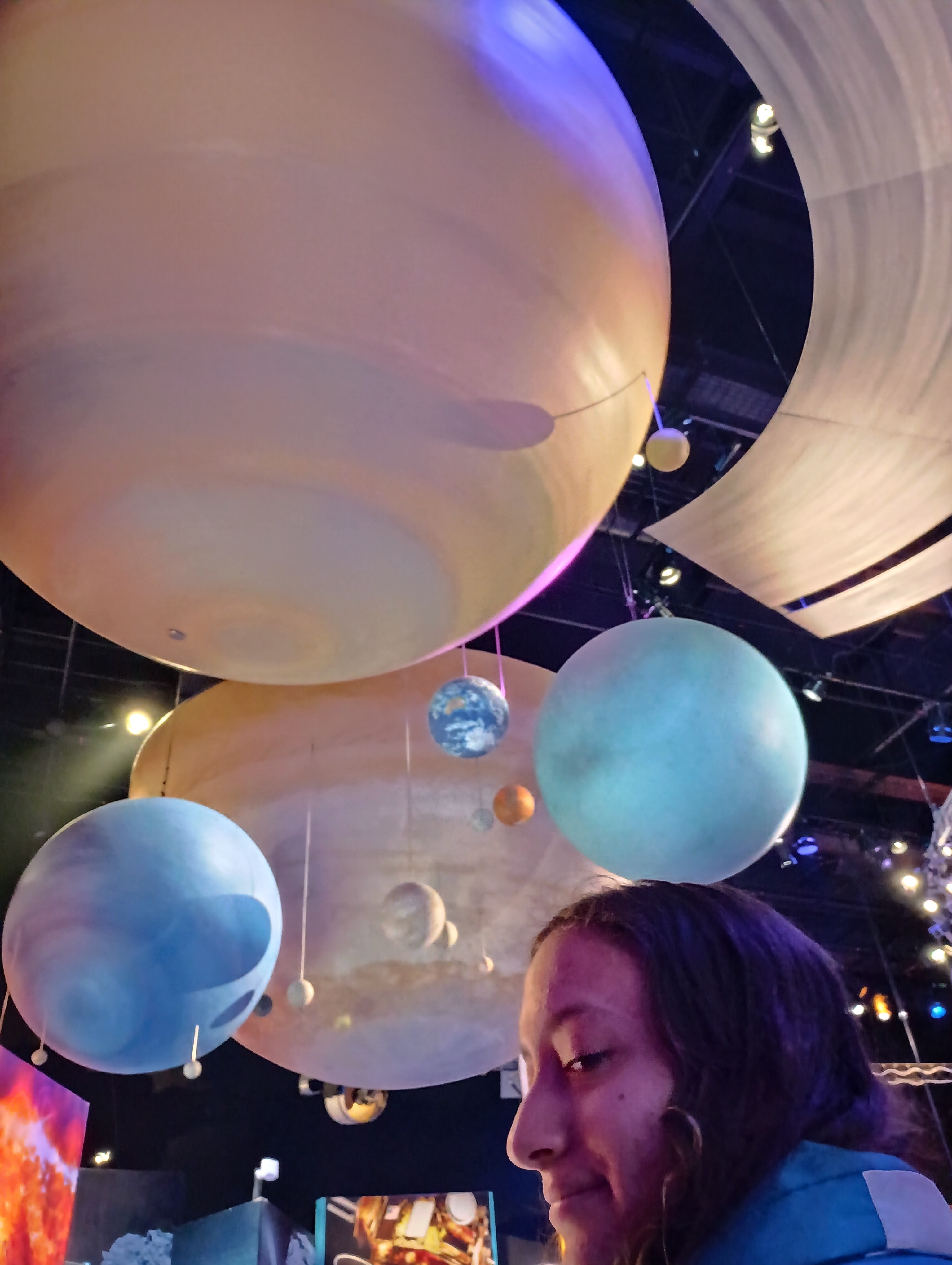
Weather turned bad, and we turned toward Smithsonian. We went to the Air and Space museum. Once again, the crowd started overwhelming us. But we were on it. Figuring out the exact exhibits that we wanted to see, we went to the future of space section, planets, and early flight sections. I found the space junk information the most interesting, as usual. One always gravitates toward topics that interest them.
We then went to see a planetarium show. The previous day’s tiredness was getting us, and we found it hard to concentrate. We decided to go for a meal. The Smithsonian museum of Native American history has a cafe called Mitsitam. We decided to try some Native American food here. We ate a fry bread topped with veggies. It was delicious.
We didn’t explore the native American museum, because on our trips out west we have seen many native American museums, with more authenticity and balanced viewpoint than what Smithsonian may offer.
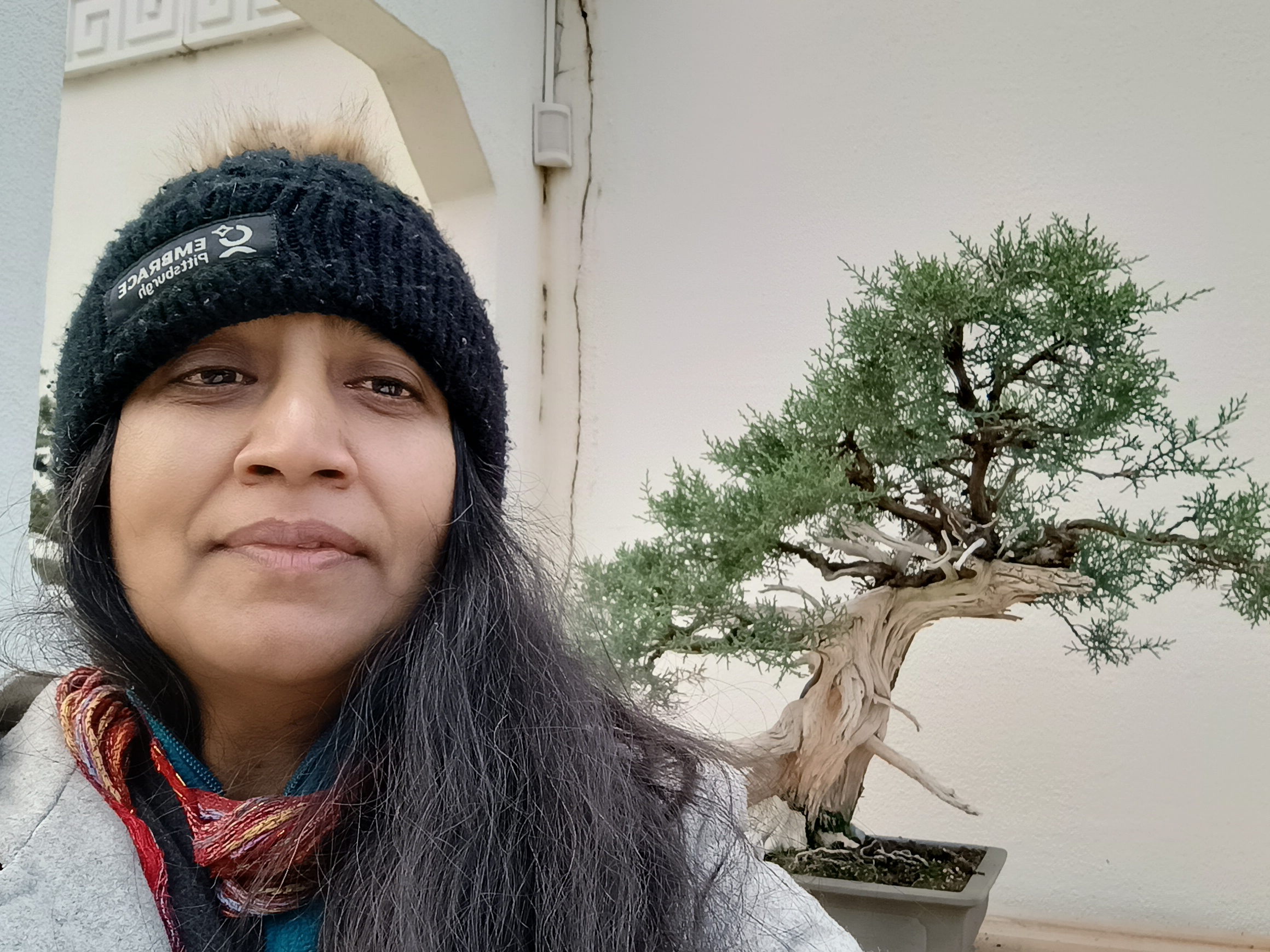
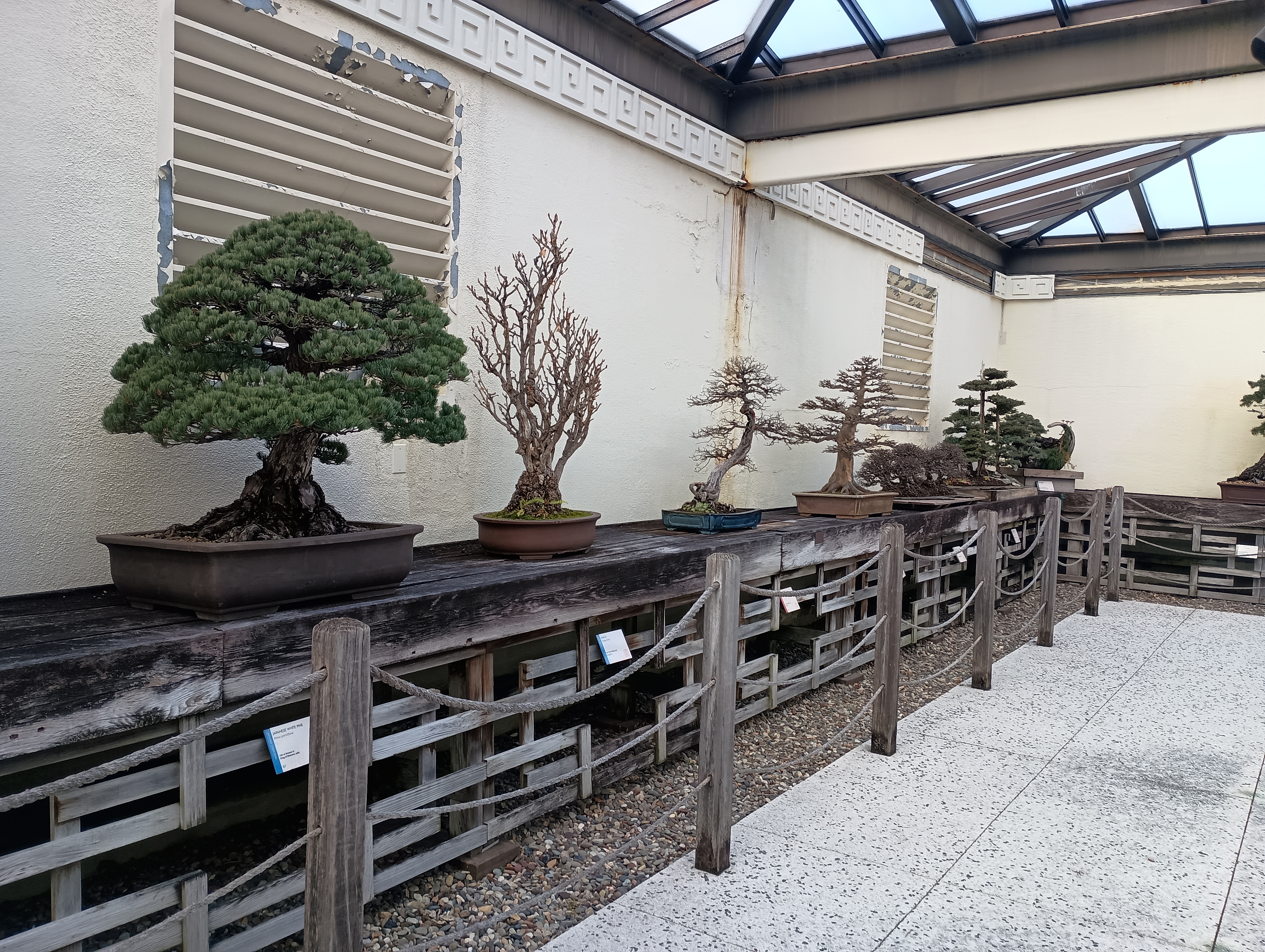
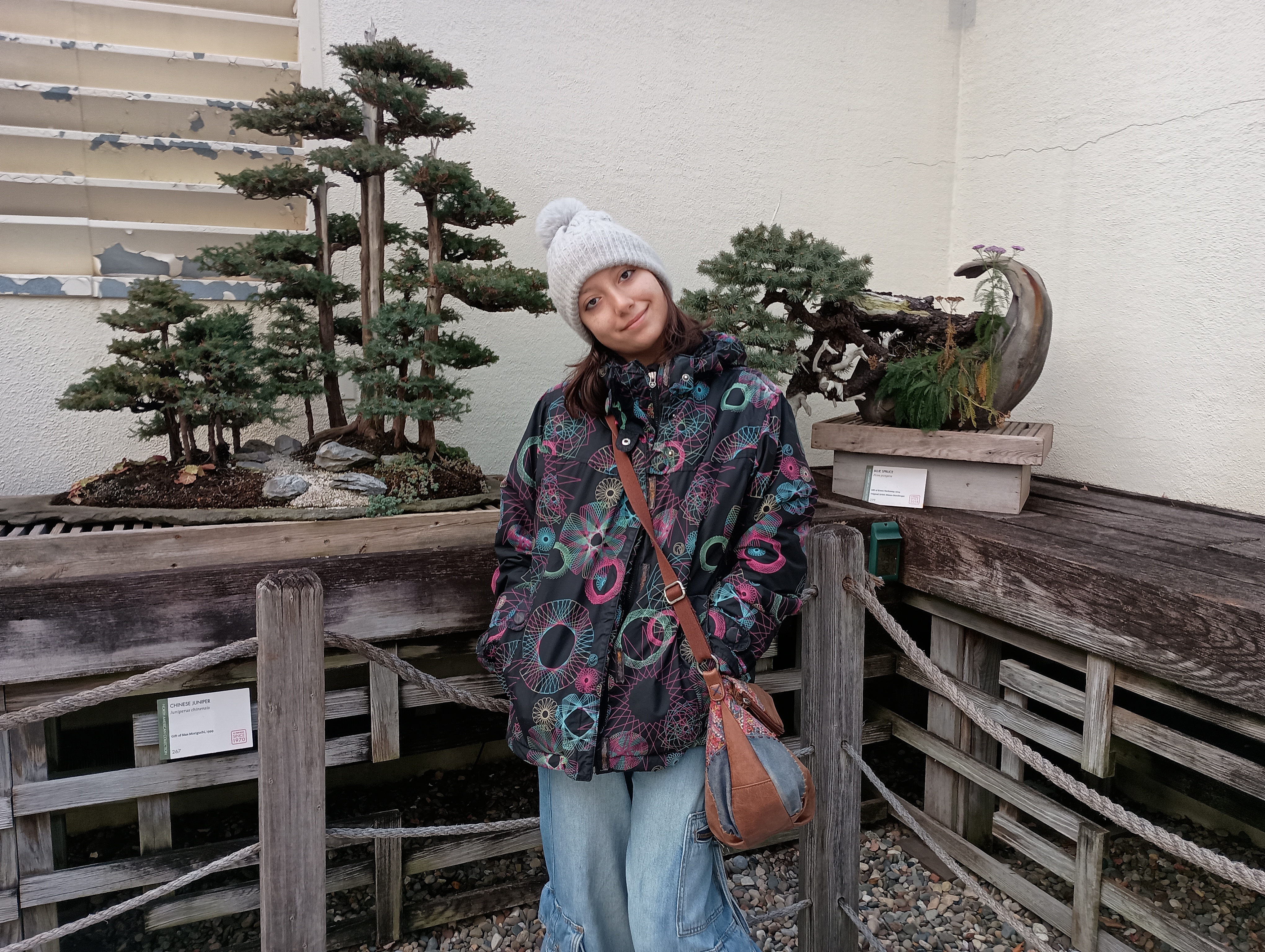
We felt more energetic after our meal and decided to visit the bonsai garden in DC. Unfortunately the bonsai garden is totally out of the way. We took a cab there to escape the cold. Navigating the buses in the cold weather seemed beyond our tolerance limits.
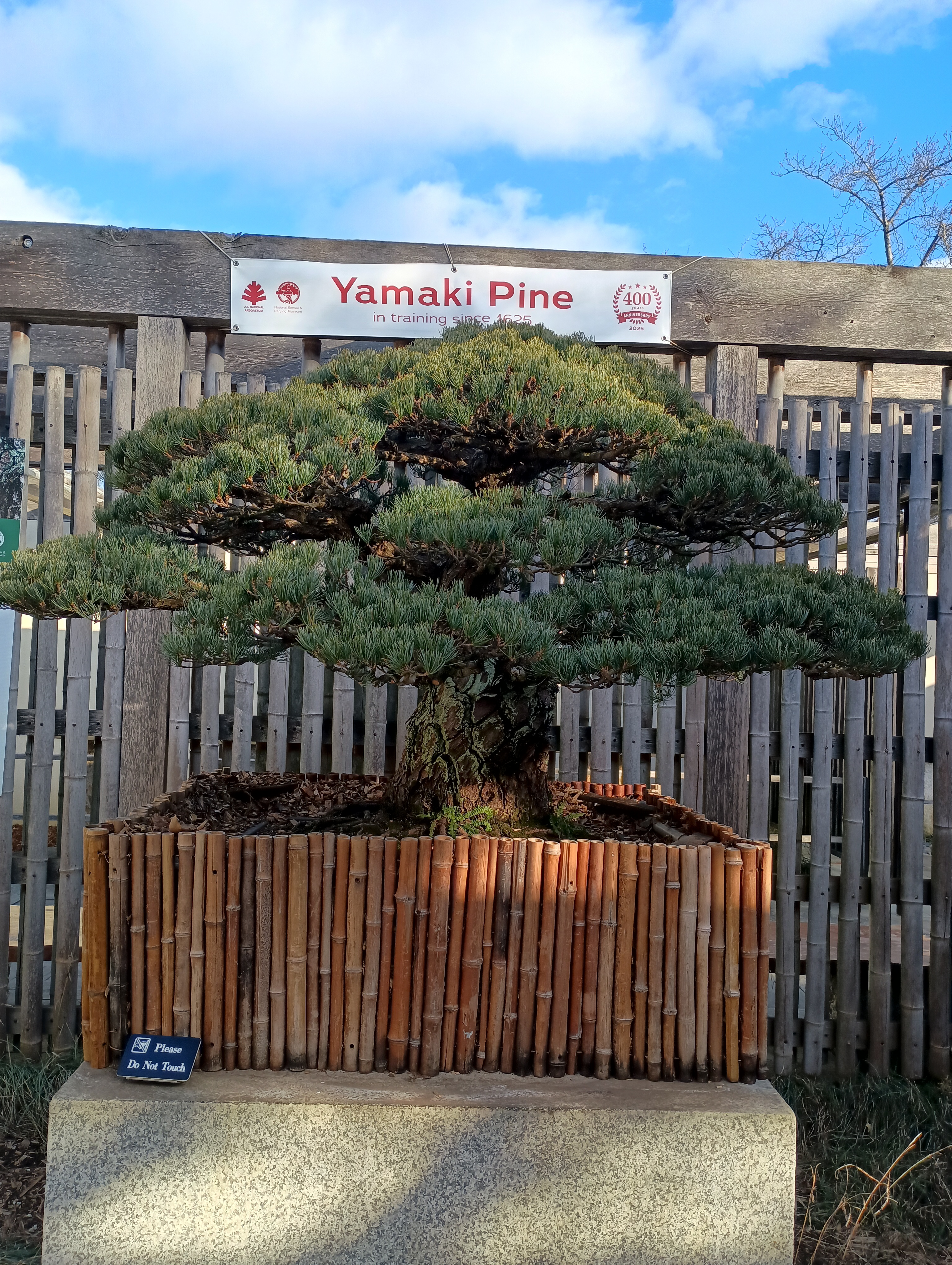
The bonsai museum was in the middle of nowhere, with no people at the information desk and barely any patrons. We were slightly intimidated and unsure at what to expect. However, the bonsai display turned out to be spectacular. It was a little beautiful surprise. The most interesting display was a four hundred year old Yamaki Pine bonsai that had been gifted to the US by Japan in the seventies.
We had to grapple with the cold and the location once we left the museum. Unsure of how to make it back to the hotel, we walked along the road, with the hope of either catching a bus or hailing a cab. After a bit of a walk we did hail a cab and went back to our hotel room.
Dec 31, 2025
White house and Renwick Gallery day! It was our last day at DC. We were tired and done. Tanya felt sick. Leena trudged along. We checked out of our hotel at 11:30. We had to leave to catch our train around 2 p.m.
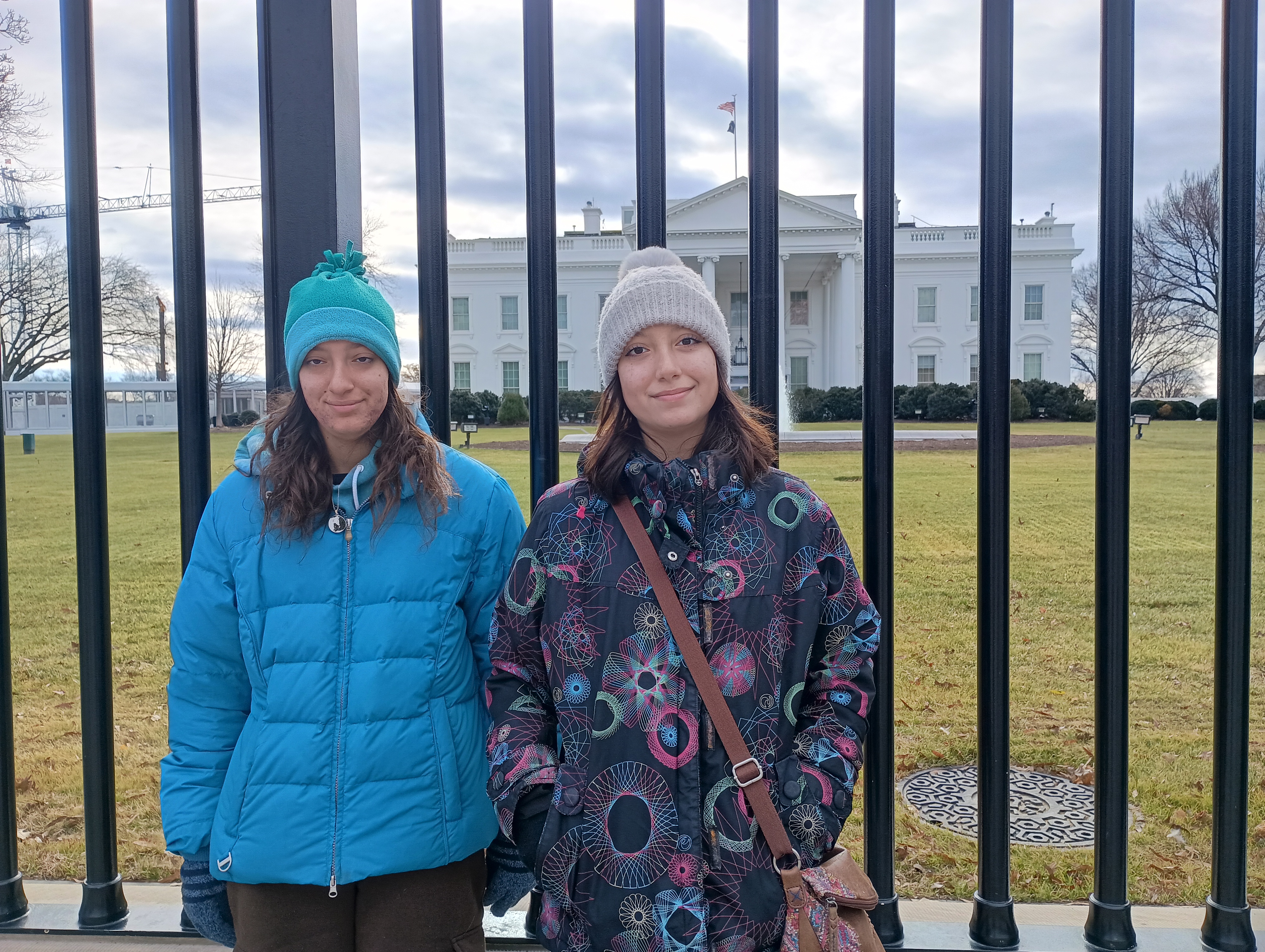
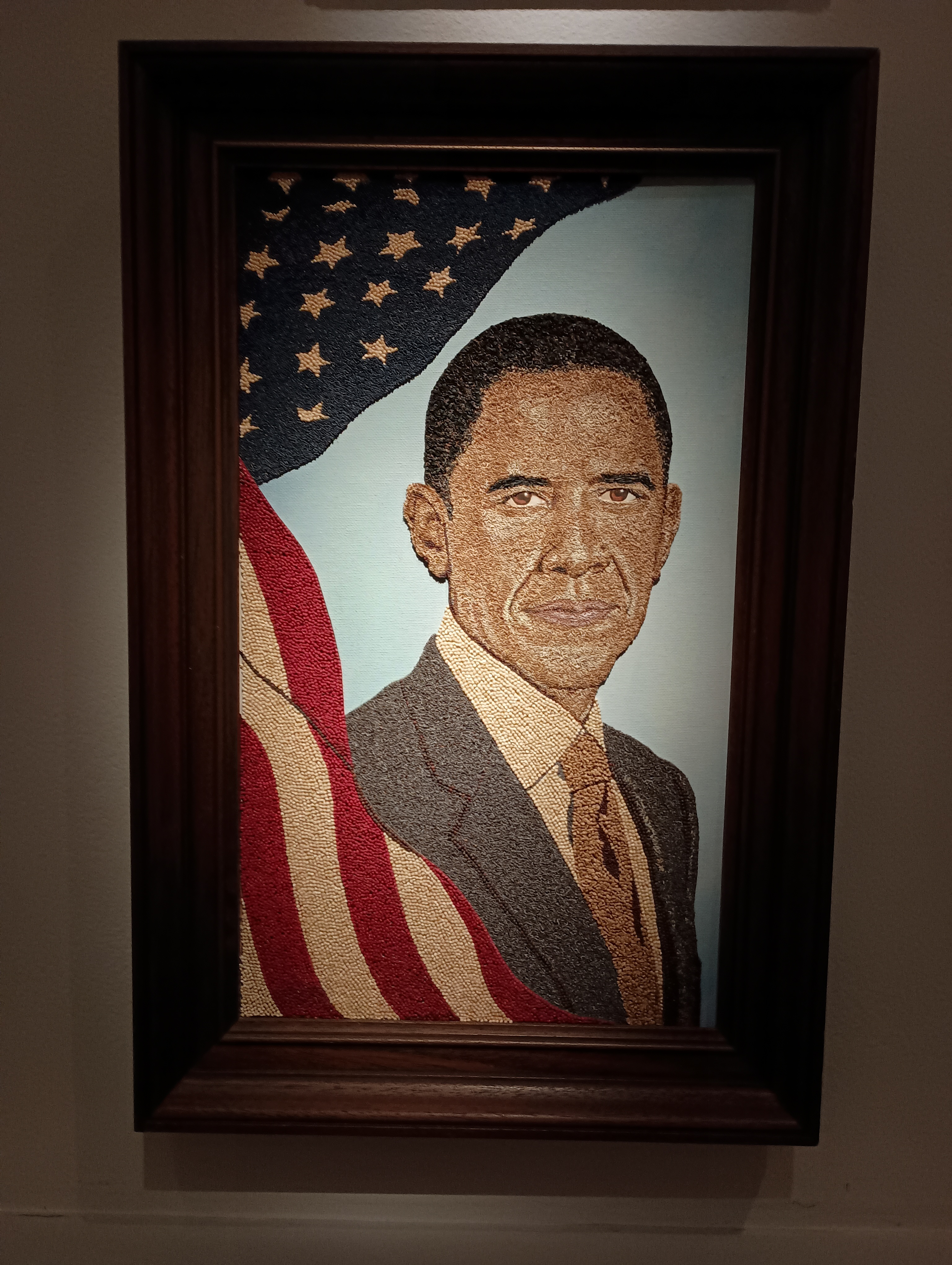
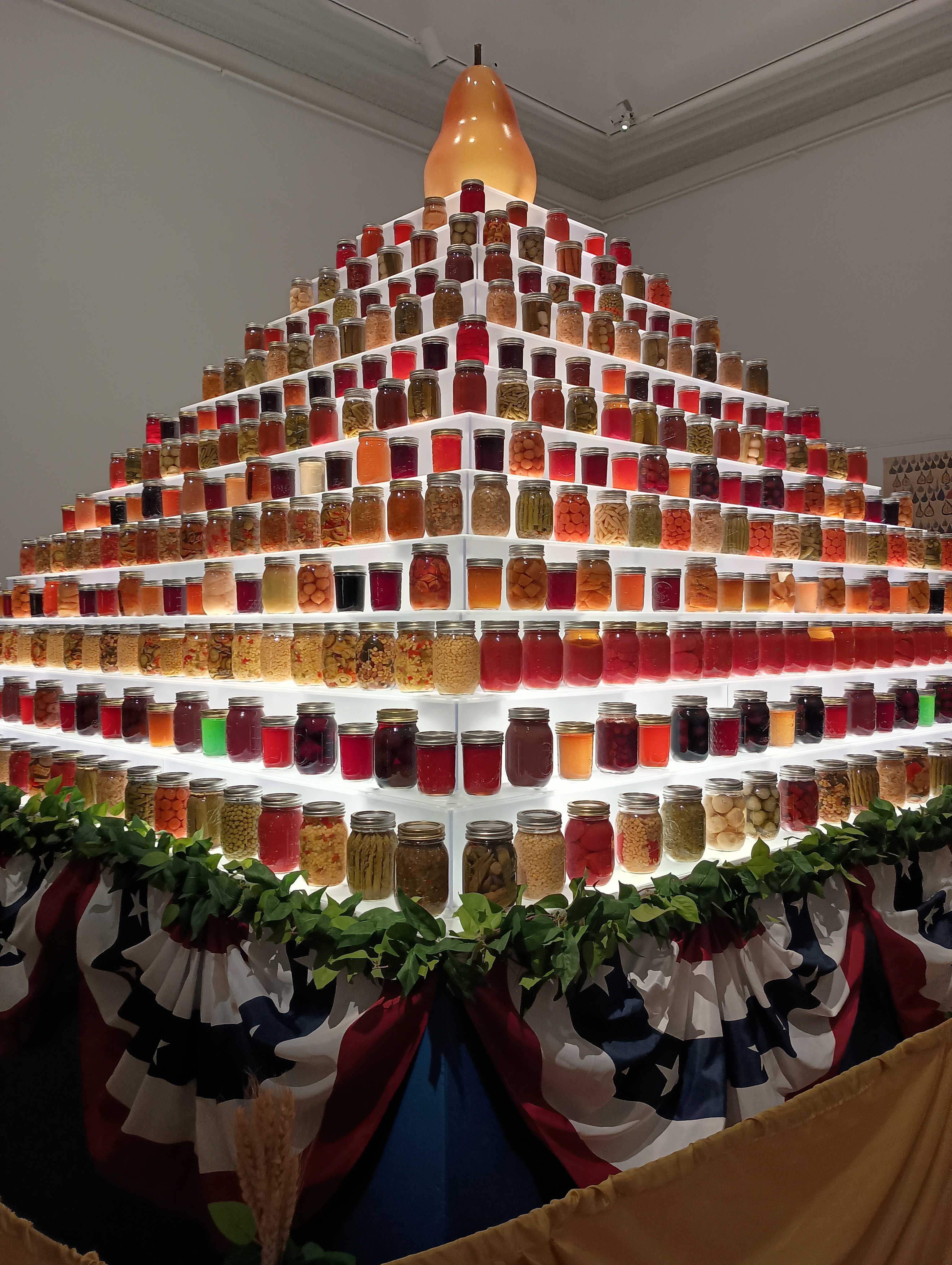
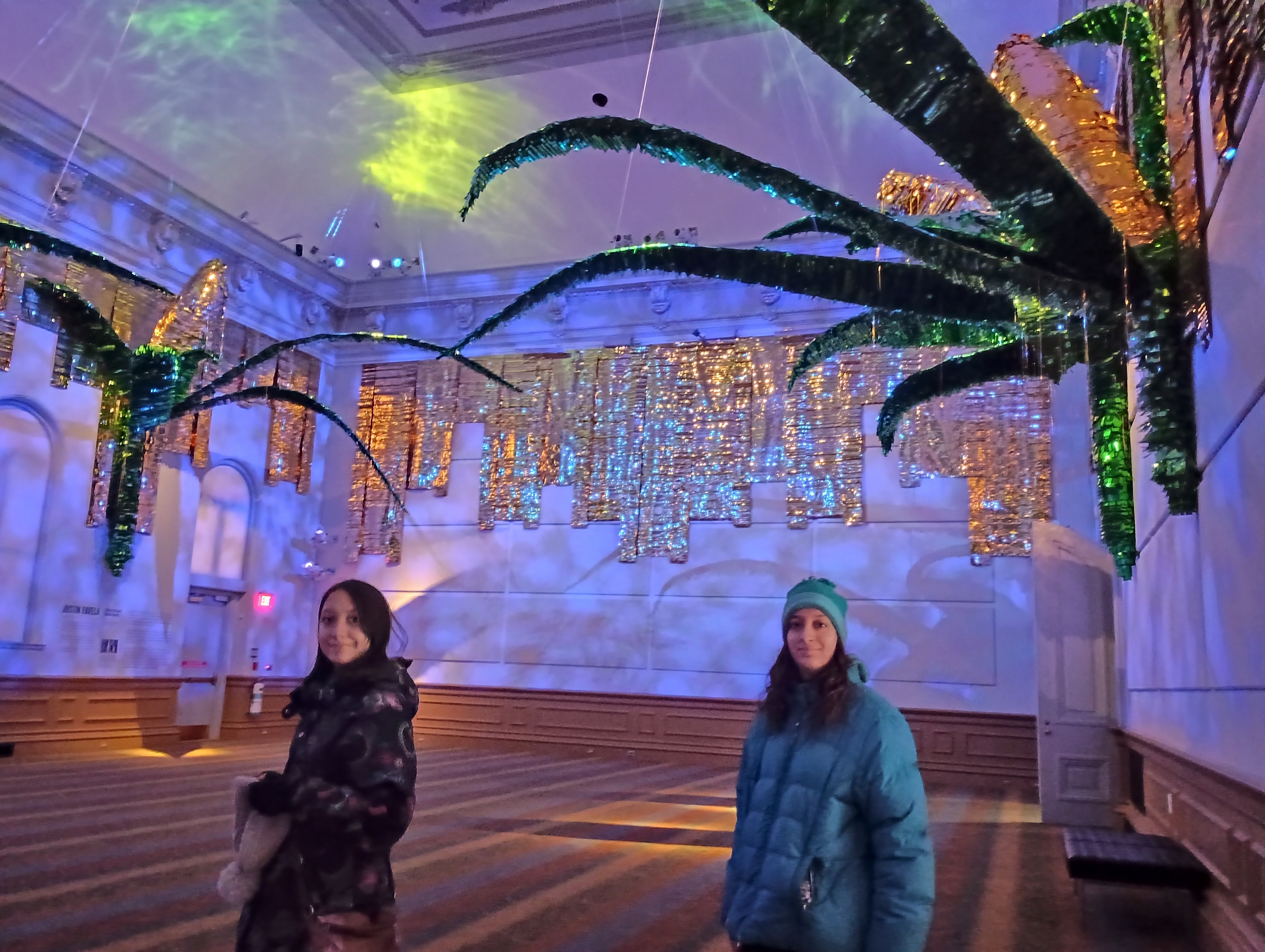
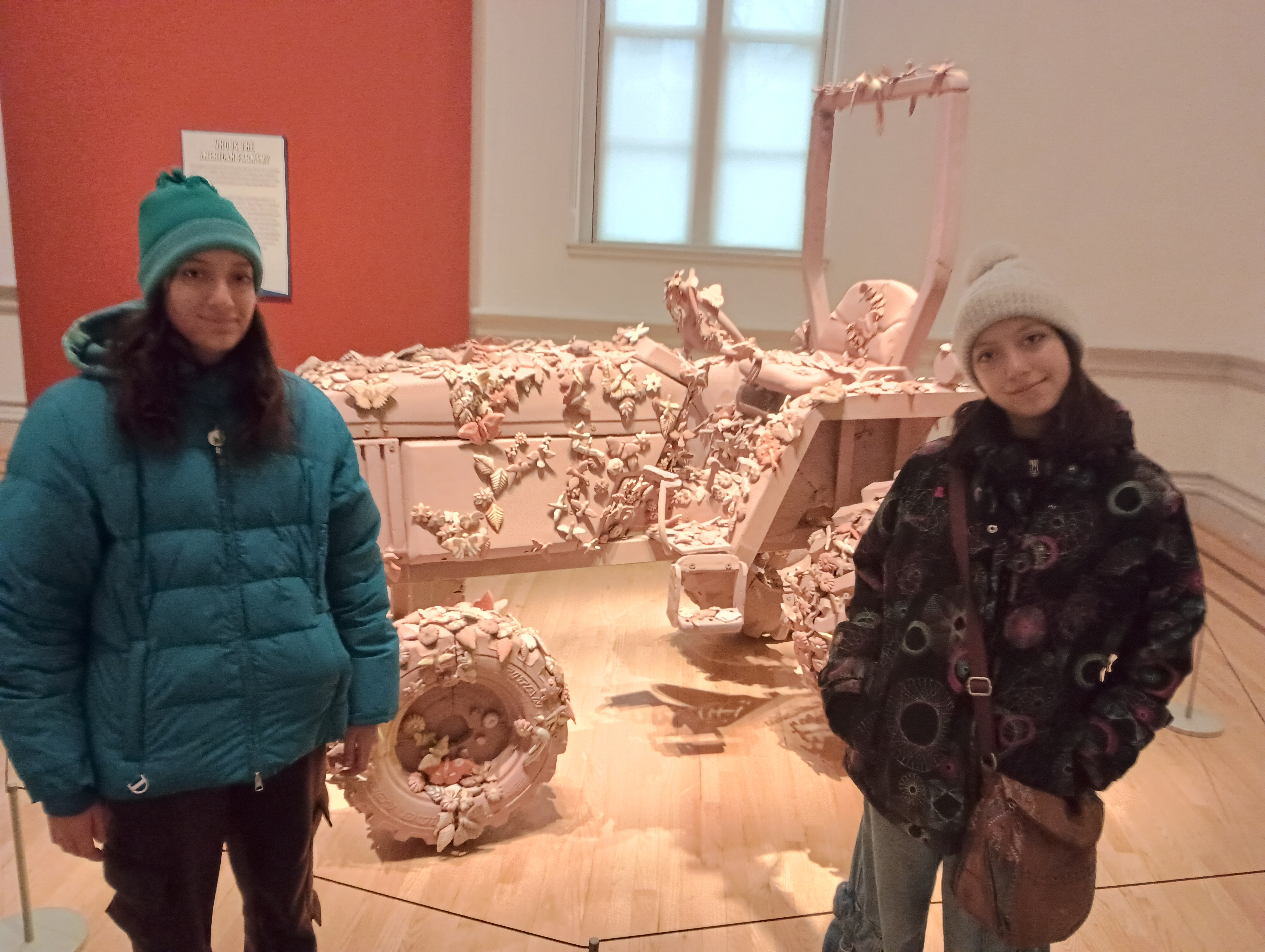
With a couple of hours to go, we first visited the White House to get our customary picture taken. After grabbing coffee, we walked over to the Renwick Gallery. Renwick Gallery is also an art museum. The difference is that it is contemporary, almost folk style, American art. I really loved this small museum. I could connect with the art easily. There were many beautiful exhibits.
Once we were done, we walked back to the hotel, collected our bags, took the subway to Union Station, and then Amtrak back to Harrisburg. We had a happy reunion with our boys here, and came home to enjoy the last couple of hours of 2025. What an interesting end of the year!
I have come to realize that if you can find two or three things that motivate or arouse your interest in a trip, then that is a successful trip. With that in mind, this trip can be considered a super success. The bonsai, the Renwick Gallery displays, a display of perpetual motion at the museum on O street, as well as the mummies section at Smithsonian have given me enough ideas to keep moving through 2026. I anticipate 2026 as a spectacular year personally, but more on that in my next blog. For now, we are happy to be home.
Kylo Ren, the dog: Now, hold on, Mom. You weren’t planning to end the blog without input from me, were you? Let me tell you, 2025 end was a disaster for me. First of all, the humans have been coning me. My skin got itchy, and I wasn’t allowed to scratch it. And when I did manage to scratch it despite the cone, I ended up making a large hole in my skin, after which my humans put a shirt on me. Hmph. I peed on my first shirt, but that didn’t solve my problem. They put on a new shirt and would take it off when I went out. My humans are exasperating.
I got really dull and grumpy. Christmas was a good day, since I got many presents. The presents all smelt the same; maybe they came from the same bag of treats, but I’m not complaining. I got the most gifts of all.
Just when I thought life was getting good, bam! The girls were gone. Now, I am all up for guy time, but Papa wouldn’t let me out for walks. He said that it was too slippery. My reply would be that that’s what makes it fun. But no one listens to me around here. I got grumpy and mopey until finally Papa took me to camp and I had a good run. That was better. Luckily Papa forgot my leash at camp so we went back the next day. Papa made a fire and heated my food can on the stove. My eyes popped out. I didn’t know Papa could cook, but he was pretty good. Yum!
Then, just like that, the ladies were back. I showed them some attitude by trying to ignore it, but today Mom put coconut oil all over my body and gave me a firm brush, after which I died and went to heaven. But don’t you worry, I didn’t actually die. Life is good again.
Paisley, the chicken: Just when I get comfortable with my world, it changes. By now I can tolerate Leena, or, dare I say, love her. But she left me and was gone. Boo hoo. The big man came from the human house and gave us food and hot water. I ran helter skelter when I saw the big man, but maybe that brought his attention on me, the one outcome I didn’t desire. Luckily he didn’t stick around for long.
I did miss the hot water bottles that Leena leaves in the coop at night. Luckily, she came back yesterday and put a hot bottle in our coop. Yay. I love Leena!







 elfhut